
THE STORY
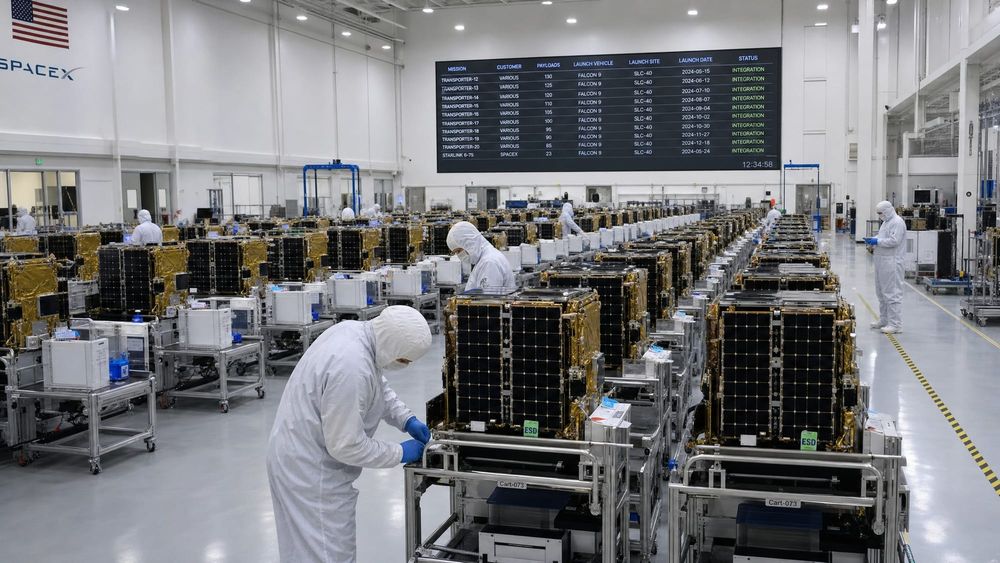
Firefly Aerospace CEO Jason Kim delivered a blunt assessment of the global launch market at the SmallSat 2026 conference in Salt Lake City this week: the space industry is running headlong into a systemic shortage of launch vehicles. Kim described a widening gap between the number of satellites being manufactured and the available rockets to put them in orbit, warning that expanding backlogs are creating bottlenecks that could constrain the entire commercial space economy. The message was echoed across the conference floor, with Payload Space reporting that "unless something changes in the launch market — and soon — the space industry might be running 100 mph into a brick wall."
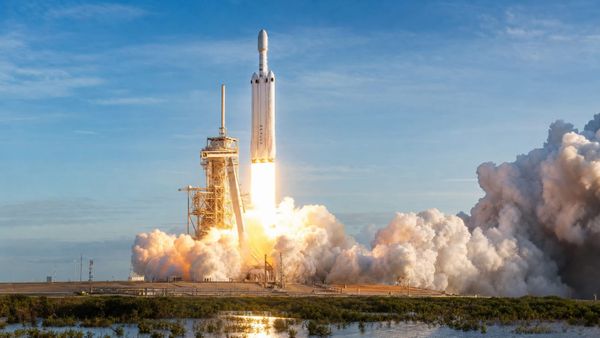
The numbers tell the story. Satellite manufacturing has accelerated dramatically over the past three years, driven by mega-constellations (Starlink, Kuiper, OneWeb), proliferated military architectures (the Space Development Agency's Transport and Tracking Layers), and a boom in commercial Earth observation and IoT connectivity satellites. But launch supply has not kept pace. SpaceX accounts for roughly half of all global orbital launches and is the only provider with a demonstrated high-cadence capability, but even SpaceX's Falcon 9 manifest is fully booked. Rocket Lab's Electron handles the smallsat end but can only carry 300 kilograms per flight. ULA's Vulcan, Arianespace's Ariane 6, and Blue Origin's New Glenn are all flying but at low cadences. China's Long March fleet adds capacity, but geopolitical restrictions prevent most Western customers from accessing it.
The shortage is not merely an inconvenience — it is actively distorting market dynamics. Satellite operators are being forced to wait months or years for launch slots, which delays revenue generation and increases financing costs. Some operators are redesigning spacecraft to fit available rideshare slots rather than optimal orbits. The Pentagon's Space Development Agency, which needs to deploy hundreds of satellites across multiple tranches by the end of the decade, is particularly exposed to launch constraints. Smaller space companies participating in a panel at SmallSat expressed frustration that the "commercial first" acquisition mantra from the Pentagon has not yet translated into the long-term programs of record needed to justify investment in additional launch capacity.
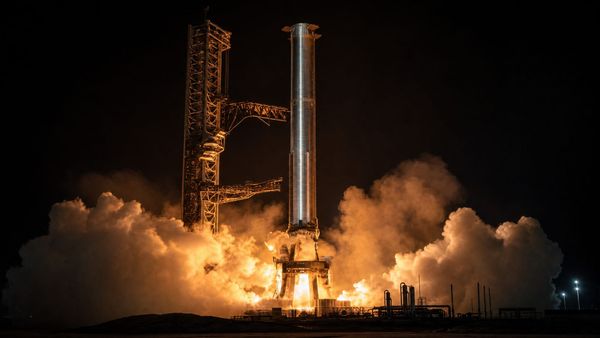
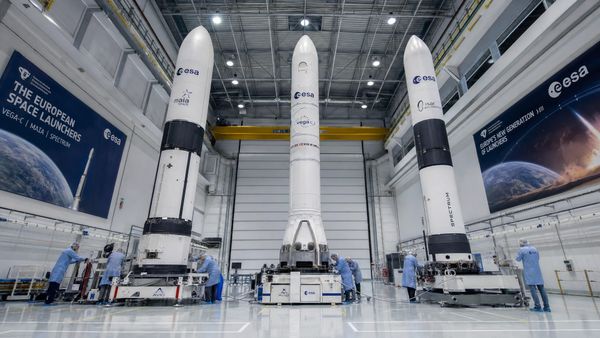
The structural nature of the shortage is what makes it concerning. Building a new launch vehicle from scratch takes five to seven years and billions of dollars. Even SpaceX's planned transition from Falcon 9 to Starship — which would dramatically increase mass-to-orbit — introduces a period of uncertainty as the older vehicle winds down and the new one ramps up. ESA's €500 million Launcher Challenge contracts are a step, but the European rockets won't fly for years. The immediate bottleneck has no quick fix, and the satellite backlog continues to grow.
THE DOUGH
The launch shortage creates pricing power for existing launch providers — Rocket Lab, SpaceX, and ULA can command premium rates as demand outstrips supply. Companies developing new launch vehicles, including Relativity Space, Stoke Space, and the ESA-backed European startups, become more attractive to investors as the gap between supply and demand widens. Rideshare aggregators like Spaceflight Inc. and D-Orbit benefit from operators willing to accept shared rides to get to orbit sooner. On the flip side, satellite manufacturers that depend on timely launches — such as York Space Systems, Terran Orbital, and Planet Labs — face revenue delays that could pressure margins and valuations.
We are not financial analysts or investment advisors. Nothing in this newsletter constitutes investment advice. All economic analysis is speculative and for informational purposes only. Do your own research.
THE POSSIBILITIES
The launch shortage could paradoxically accelerate the transition to Starship-class vehicles. If the bottleneck becomes severe enough, customers who once balked at riding on an unproven mega-rocket may decide the risk is preferable to waiting two years for a Falcon 9 slot. This dynamic could compress Starship's market adoption timeline and force competitors to accelerate their own development programs — potentially triggering a launch-capacity buildout that overshoots demand within five years.
THE HURDLES
New launch vehicles require not just rockets but also launch sites, range capacity, FAA licenses, insurance markets, and trained ground crews — an entire ecosystem that takes years to scale. Even if multiple new rockets reach orbit in 2027-2028, achieving the flight cadence needed to clear the satellite backlog will require sustained investment in production facilities and operational infrastructure that most startups have not yet built.
WHAT TO WATCH
- SpaceX's Starship operational launch cadence timeline and first commercial payload manifests
- Rocket Lab Neutron first flight date and initial customer contracts
- Space Development Agency satellite deployment schedules versus planned tranche timelines
- Launch pricing trends across major providers over the next 12 months
- New entrants reaching orbit: Relativity Space, Stoke Space, ABL Space Systems, and the ESA Launcher Challenge winners
Void Economy is researched, written, and illustrated with AI, reviewed and edited by a real, live, flesh-n-blood human.