
THE STORY
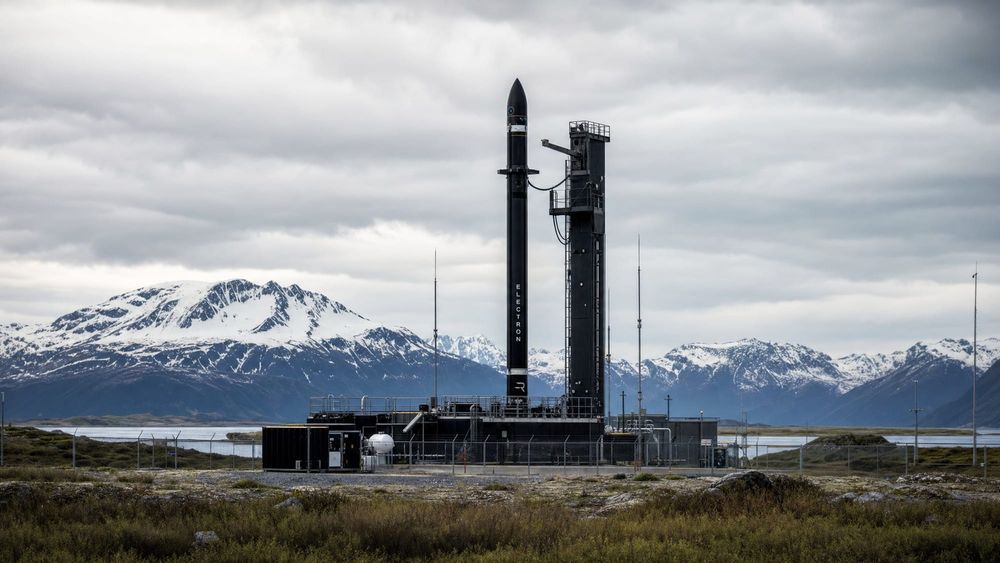
Rocket Lab has secured its largest-ever launch contract — a $266 million deal with the U.S. Space Force for up to 18 suborbital missions supporting missile defense testing — and will establish a new launch site at the Pacific Spaceport Complex in Kodiak, Alaska, to execute it. Launches are expected to begin by the end of 2026. The contract calls for Rocket Lab's Electron rocket to fly suborbital trajectories that simulate adversary missile threats, providing realistic targets for the military's missile defense systems to track, intercept, and destroy during exercises. It's a significant expansion of Rocket Lab's footprint beyond its existing orbital launch sites at Wallops Island, Virginia, and Mahia Peninsula, New Zealand.
Alaska's high-latitude location makes it ideal for polar and high-inclination trajectories that are critical for missile defense testing. The Pacific Spaceport Complex has hosted suborbital launches before, but Rocket Lab's arrival brings a level of commercial launch infrastructure and operational cadence that the site has not previously supported. For Rocket Lab, the contract diversifies the company's revenue beyond orbital satellite delivery and its growing spacecraft manufacturing business, establishing a recurring military testing pipeline that provides revenue stability independent of commercial launch market fluctuations.
The deal underscores a broader trend in which the Space Force is leaning heavily on commercial launch providers for missions once dominated by legacy defense contractors. Rocket Lab CEO Peter Beck has positioned the company as a one-stop shop for responsive space — capable of building satellites, launching them, and now providing the test infrastructure that validates the military systems designed to defend them. With Neutron, the company's medium-lift rocket, still in development, Electron's proven track record and rapid manufacturing cadence make it the workhorse for exactly the kind of high-tempo, mission-critical work the Pentagon needs.
THE DOUGH
The $266 million contract is transformative for Rocket Lab's revenue outlook, representing roughly a third of the company's current market capitalization in a single deal. It validates the thesis that commercial launch providers can capture defense revenue previously locked up in cost-plus contracts with primes. The Alaska site also positions Rocket Lab for future polar orbit missions, expanding its addressable market for commercial and government customers requiring sun-synchronous and high-inclination orbital insertions.
We are not financial analysts or investment advisors. Nothing in this newsletter constitutes investment advice. All economic analysis is speculative and for informational purposes only. Do your own research.
THE POSSIBILITIES
Alaska is one of the few U.S. locations that can support both polar orbital launches and suborbital missile defense trajectories without overflying populated areas. If Rocket Lab establishes a permanent, high-cadence presence there, it could become the Pentagon's default provider for responsive space launches into polar orbit — a capability gap the military has been trying to fill for years.
THE HURDLES
Suborbital missile defense missions have different risk profiles and operational requirements than orbital satellite launches. Rocket Lab must adapt its operations for military testing cadence, which often involves compressed timelines and classified payloads. Weather and logistics at Kodiak, Alaska, present additional operational challenges compared to Rocket Lab's temperate launch sites.
WHAT TO WATCH
- First Electron launch from the Pacific Spaceport Complex in Kodiak
- Rocket Lab's Neutron development timeline and whether Alaska becomes a Neutron site
- Additional Space Force contracts building on the Alaska infrastructure investment
- Competing bids from other commercial providers for similar missile defense test missions