
THE STORY
Northrop Grumman and the Canadian Space Agency announced they will repurpose the hardware and systems originally developed for NASA's Lunar Gateway — the planned small space station in lunar orbit — into applications for the agency's Moon Base on the lunar surface. The pivot, reported by SpaceNews with few specifics disclosed, represents a significant strategic shift in how NASA and its international partners are approaching sustained human presence at the Moon. Rather than building an orbital waystation as the centerpiece of the architecture, the emphasis is moving decisively to boots-on-the-ground infrastructure.
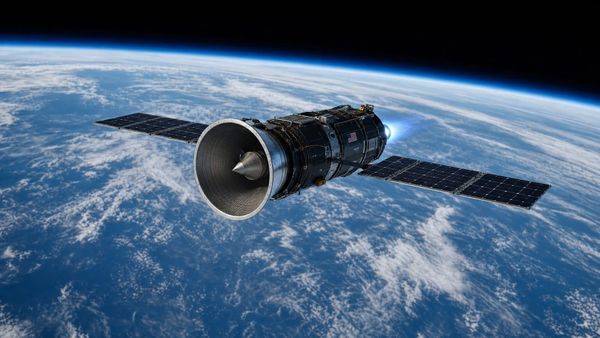
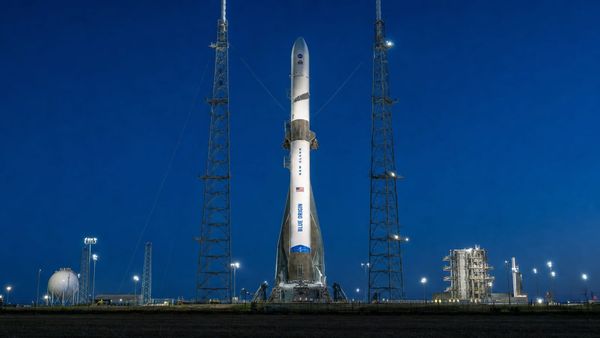
Northrop Grumman had been the prime contractor for the Gateway's HALO (Habitation and Logistics Outpost) module — a pressurized habitat for astronauts transiting through lunar orbit. The Canadian Space Agency was developing Canadarm3, an advanced robotic arm system designed for Gateway operations and maintenance. Both represented years of engineering work and significant investment. Now, those capabilities and potentially some of the flight hardware itself will be redirected toward Moon Base requirements, which could include surface habitation modules, robotic construction systems, cargo handling mechanisms, and logistics infrastructure. Separate NASA updates confirmed that commercial partners Blue Origin, Firefly Aerospace, Intuitive Machines, and Voyager Lunar Systems are all working toward delivering cargo landers by 2028 to support surface buildup.
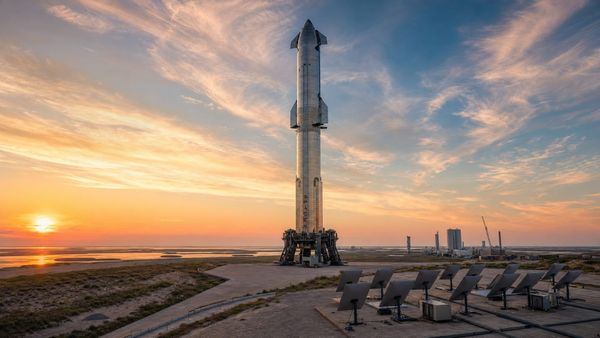
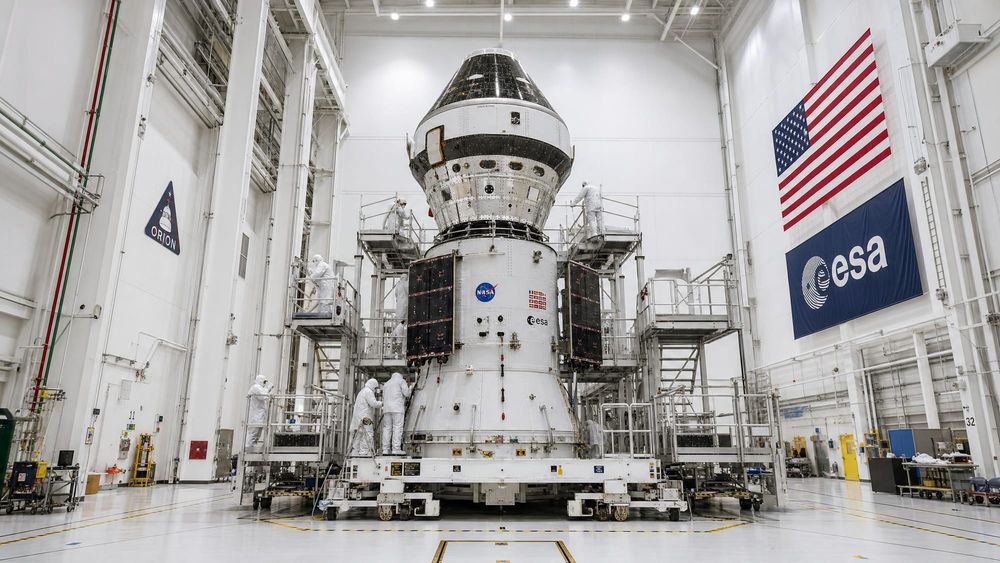
The combined signals suggest that NASA Administrator Isaacson's vision for a permanent outpost near the Moon's South Pole is becoming the organizing principle for the entire Artemis architecture, with orbital infrastructure taking a back seat. This aligns with the Starship-centric approach, where the vehicle's massive cargo capacity makes direct surface access practical without orbital staging. The Artemis III Orion crew and service modules were also joined at Kennedy Space Center on July 30, marking another tangible step toward the next crewed lunar mission, even as the broader architecture evolves around them.
THE DOUGH
The pivot from Gateway to surface operations redirects billions in contract value toward companies with lunar landing, habitation, and robotics capabilities. Intuitive Machines, Firefly Aerospace, and Blue Origin are positioned for major Moon Base cargo and infrastructure contracts. Northrop Grumman's ability to adapt its HALO habitat expertise for surface applications could secure it a central role in base construction. The Canadian Space Agency's Canadarm3 robotics experience translates directly to surface assembly and maintenance — high-value capabilities for a permanent outpost. The shift reinforces the market thesis that the lunar surface economy, not lunar orbit, is where the commercial opportunity lies.
We are not financial analysts or investment advisors. Nothing in this newsletter constitutes investment advice. All economic analysis is speculative and for informational purposes only. Do your own research.
THE POSSIBILITIES
If Gateway hardware is being repurposed rather than built as originally planned, NASA may eventually descope or eliminate the orbital station — a tacit admission that Starship's cargo capacity makes an orbital waypoint less necessary. This would consolidate resources and attention on the surface, potentially accelerating Moon Base timelines by removing a major intermediate step.
THE HURDLES
The "few specifics" language suggests the adaptation pathway is still being defined. Repurposing orbital hardware for surface use is not straightforward — thermal environments, radiation shielding, dust management, and gravity conditions are fundamentally different. International partners including ESA and JAXA, which have their own Gateway contributions, may resist a surface-first strategy that reduces the relevance of their existing programs.
WHAT TO WATCH
- NASA's formal statement on Gateway's future and any official descoping announcements
- Northrop Grumman Moon Base module concepts and contract negotiations
- Blue Origin, Firefly, and Intuitive Machines cargo lander milestones toward 2028 deliveries
- ESA and JAXA reactions to the architectural shift from orbit to surface priorities
Void Economy is researched, written, and illustrated with AI, reviewed and edited by a real, live, flesh-n-blood human.