
THE STORY
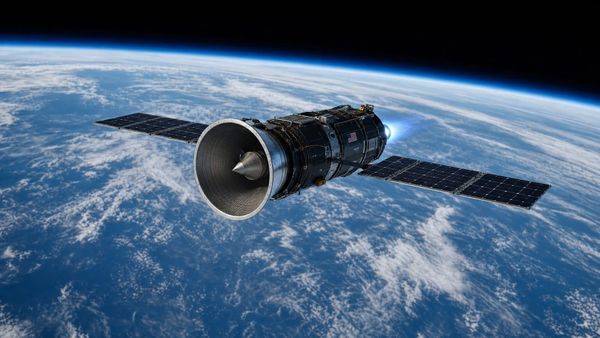
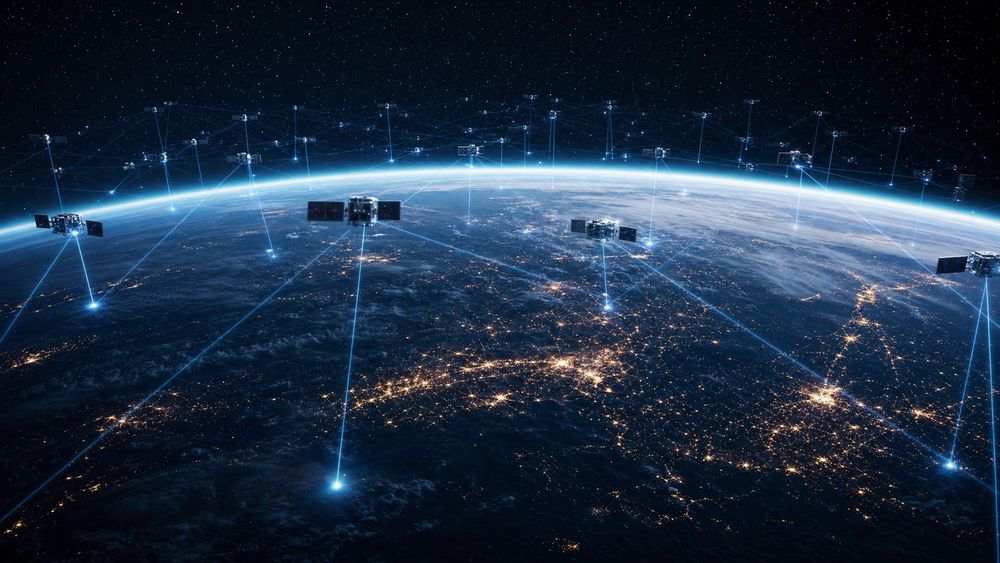
Amazon filed an application with the Federal Communications Commission on July 24 to launch a constellation of 5,105 low-Earth orbit satellites that would provide direct-to-device satellite service — voice, messaging, data, and emergency communications — beamed straight to ordinary mobile phones without any specialized hardware. The system, designated "Amazon Leo," would operate using spectrum acquired through Amazon's deal with Globalstar, and the company plans to begin deploying the constellation in 2028. Amazon says it will partner with existing mobile network operators to deliver the service, positioning the network as an extension of terrestrial cellular coverage rather than a standalone product.
The filing is a direct escalation of the satellite-to-phone race that SpaceX has been leading with its Starlink Direct to Cell service, which has already signed partnership deals with T-Mobile in the United States and carriers in several other countries. Amazon's proposed constellation is larger than Starlink's current direct-to-cell satellite count and would operate in spectrum bands specifically chosen for mobile compatibility. The FCC application arrives just months after Amazon's Project Kuiper began commercial broadband service in mid-2026, meaning the company is now pursuing two separate satellite businesses simultaneously: broadband internet via Kuiper and cellular connectivity via Amazon Leo. It's an extraordinarily capital-intensive bet — Kuiper alone has consumed more than $10 billion — but Amazon's cloud computing cash machine gives it the financial firepower to sustain multi-year infrastructure investments that would bankrupt most competitors.
The technical challenge is formidable. Via Satellite published an analysis this week arguing that Starlink's link budget "comes up short" for the direct-to-device opportunity, noting that the physics of beaming usable signals from LEO satellites to the tiny antennas in smartphones imposes severe constraints on data rates and coverage reliability. If Amazon's engineers have found a way to improve on those link budgets — perhaps through more powerful transmitters, better antenna design, or more sophisticated beamforming enabled by the Globalstar spectrum characteristics — it could leapfrog SpaceX's early mover advantage. If not, both companies may find themselves constrained to emergency texting and low-bandwidth services rather than the full cellular replacement some have envisioned.
THE DOUGH
Amazon's entry transforms the D2D satellite market from a SpaceX-dominated field into a genuine two-horse race backed by two of the world's most capitalized companies. Globalstar shareholders benefit directly, as the spectrum deal becomes the foundation of a 5,000+ satellite constellation. Mobile network operators worldwide gain a second major partner to negotiate with, potentially improving terms. Ground equipment suppliers, antenna manufacturers, and satellite component makers — including AST SpaceMobile, which pioneered the D2D concept — face both competitive pressure and validation of the market they've been building.
We are not financial analysts or investment advisors. Nothing in this newsletter constitutes investment advice. All economic analysis is speculative and for informational purposes only. Do your own research.
THE POSSIBILITIES
The most important implication isn't cellular coverage — it's emergency services. A world where every phone on Earth can reach emergency responders regardless of terrestrial infrastructure fundamentally changes disaster response, maritime safety, and rural connectivity. The first company to deliver reliable satellite-to-phone 911 calling will have an asset no government can afford to let fail.
THE HURDLES
Amazon hasn't launched a single Amazon Leo satellite yet, and the 2028 deployment timeline is aggressive given that Kuiper itself faced repeated delays. The FCC must approve the application, and spectrum coordination with existing users — plus international regulatory bodies — could slow the process. SpaceX's two-year head start in partnerships and in-orbit testing is a significant competitive moat.
WHAT TO WATCH
- FCC response to the Amazon Leo application and any conditions or objections
- SpaceX's counter-moves — additional Direct to Cell partnerships or spectrum acquisitions
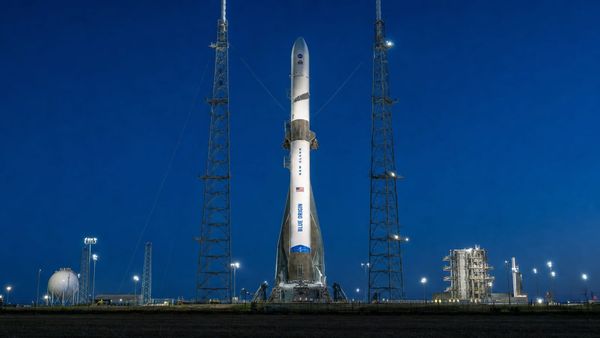
- Amazon's choice of launch provider for the 5,105-satellite constellation (New Glenn? Falcon 9? Both?)
- AST SpaceMobile's response, as the D2D pioneer now faces competition from two megacap giants
- Whether Amazon Leo and Project Kuiper share satellite buses or remain separate constellations