THE STORY
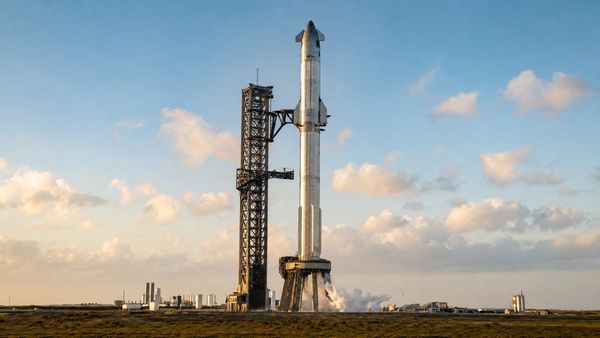
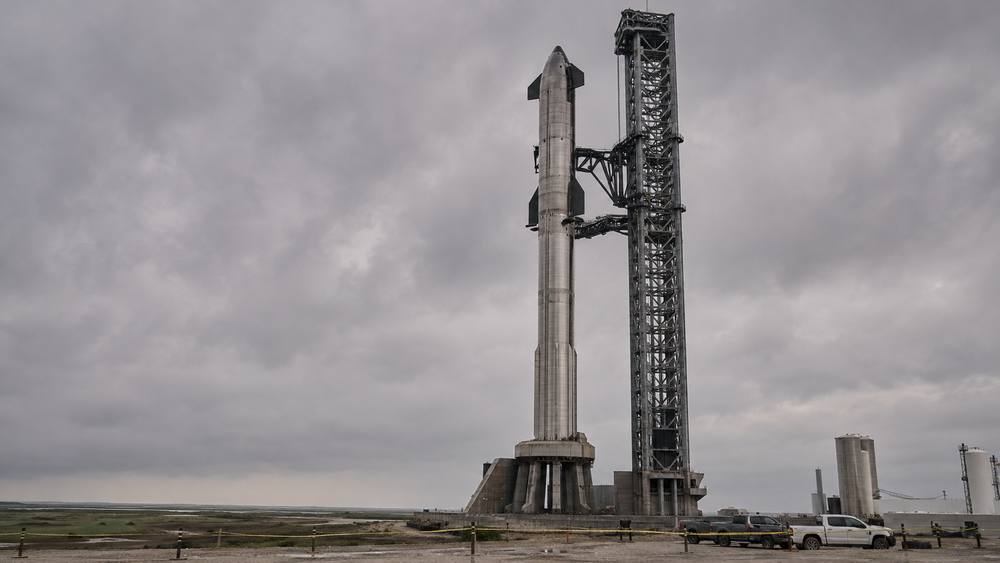
The Federal Aviation Administration has grounded SpaceX's Starship megarocket pending a SpaceX-led mishap investigation into the debut flight of the Version 3 vehicle, which took place on May 22. The FAA declared the test — Starship's twelfth overall flight — a "mishap" after analyzing the results, which included a first-stage Super Heavy booster failure during descent that prevented the planned recovery attempt. SpaceX cannot fly Starship again until the investigation is complete and the agency determines that no public safety concerns remain.
Starship V3 is the most powerful version of the rocket yet, sporting upgraded Raptor engines, increased propellant capacity, and structural modifications critical for the Human Landing System variant needed for NASA's Artemis program. The debut flight successfully demonstrated several new capabilities — including V3's enhanced thrust profile and payload deployment — but the booster anomaly during descent constituted a significant failure that the FAA requires SpaceX to fully characterize. The investigation is SpaceX-led but FAA-supervised, meaning the company conducts the technical analysis while the agency reviews findings and corrective actions before issuing a return-to-flight determination. Based on precedent from previous Starship anomalies, this process typically takes weeks to months.
The grounding arrives at a particularly sensitive moment. SpaceX is in the final stages of preparing its initial public offering, reportedly targeting a valuation of at least $1.8 trillion, and Starship's development cadence is central to the investment thesis. Starship is not just a launch vehicle — it is the platform on which SpaceX's plans for orbital data centers, lunar landing systems, Mars transit, and in-space manufacturing all depend. Any extended delay ripples through the company's entire forward-looking narrative. SpaceX has continued preparing next vehicles at Starbase in Boca Chica, Texas, and the company's goal of demonstrating rapid Starship reusability remains intact — but on a tighter timeline than investors would prefer. The FAA's increasing regulatory scrutiny of Starship operations also sets precedent for the cadence SpaceX can expect going forward, adding another variable to the program's trajectory.
THE DOUGH
The grounding creates near-term uncertainty for SpaceX's IPO pricing and timeline, though previous Starship anomalies have not derailed the program long-term. NASA's Artemis program is directly exposed — any significant delay to Starship's flight cadence pushes Human Landing System qualification further out. Launch customers who booked Starship flights, including for next-generation Starlink satellites and third-party payloads, face potential manifest reshuffling that could benefit competing launch providers.
We are not financial analysts or investment advisors. Nothing in this newsletter constitutes investment advice. All economic analysis is speculative and for informational purposes only. Do your own research.
THE POSSIBILITIES
Paradoxically, the grounding may strengthen SpaceX's IPO narrative if the investigation resolves quickly. Investors who were concerned about a "move fast and break things" approach may take comfort in a transparent investigation process — provided the fix is straightforward and return-to-flight is measured in weeks rather than months.
THE HURDLES
If the FAA determines that V3-specific design changes contributed to the booster failure, SpaceX may need hardware modifications affecting vehicles already in production at Starbase, compounding delays across the flight manifest. The agency has also signaled that each investigation creates regulatory precedent, and accumulating mishap investigations could slow the licensing cadence SpaceX needs for its ambitious flight rate targets.
WHAT TO WATCH
- SpaceX mishap investigation preliminary findings and root-cause determination
- FAA return-to-flight determination timeline and any new launch license conditions
- Impact on SpaceX IPO roadshow scheduling, reportedly targeting early June
- NASA's public commentary on implications for Starship HLS and Artemis timelines