
THE STORY
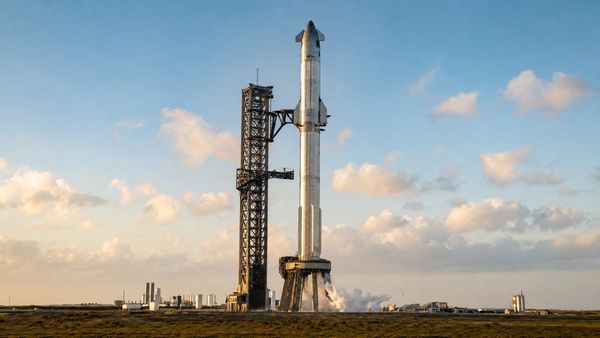
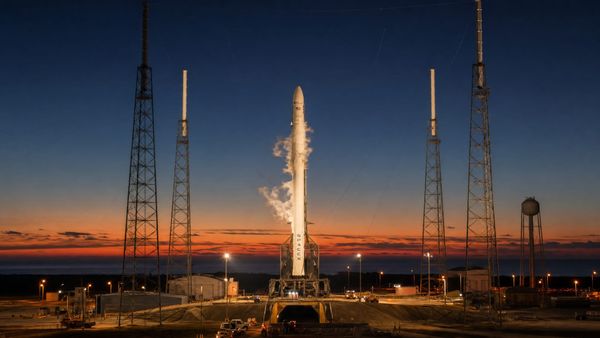
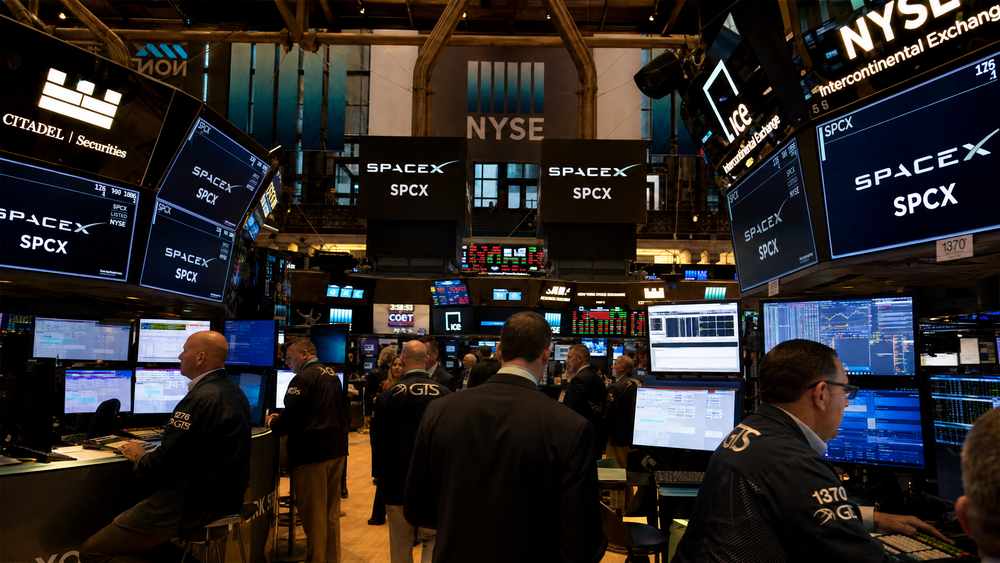
On May 20, 2026, SpaceX filed its S-1 prospectus with the SEC under the ticker SPCX, offering the first-ever public look at the finances of the world's most dominant launch company. The filing revealed $18.67 billion in 2025 revenue, a $4.28 billion net loss (largely driven by xAI investments), and $20.7 billion in capital expenditure. SpaceX holds 18,712 bitcoin valued at $1.29 billion on its balance sheet. The prospectus disclosed that Anthropic has agreed to pay approximately $1.25 billion per month — nearly $45 billion over three years — for access to SpaceX's Colossus data centers. Elon Musk will retain 85% of voting power through a super-voting share structure, and his compensation is tied to milestones including establishing a Mars colony with one million people. SpaceX is pitching investors on a $26.5 trillion total addressable market spanning AI, satellite broadband, launch services, and human spaceflight. The company has spent more than $15 billion developing Starship and is purchasing $2.8 billion worth of natural gas turbines for xAI's data center expansion.
The filing reveals SpaceX as three distinct businesses — Connectivity (Starlink), Space (launch and Starship), and AI (xAI/Grok) — only one of which, Starlink, is currently profitable. The Starlink Mobile vision described in the prospectus goes far beyond rural connectivity, explicitly targeting services "on par with terrestrial mobile networks" even in urban areas.
THE DOUGH
The SpaceX IPO, expected to price around June 11 at a valuation between $1.75 and $2 trillion, would be the largest initial public offering in history. Goldman Sachs has the lead role, with Morgan Stanley handling retail distribution. The filing has already triggered a rally in European space stocks — Eutelsat jumped 17% and OHB hit an all-time high. Space-focused ETFs are seeing record inflows. For investors, the filing creates the first opportunity to directly own a piece of the company that accounts for 50% of all global orbital launches and operates the world's largest satellite constellation.
We are not financial analysts or investment advisors. Nothing in this newsletter constitutes investment advice. All economic analysis is speculative and for informational purposes only. Do your own research.
THE POSSIBILITIES
The most underappreciated detail in the S-1 isn't the Mars colony compensation clause — it's the Anthropic deal. At $15 billion per year, Anthropic alone generates more revenue for SpaceX's AI division than most entire space companies earn. This means SpaceX's AI infrastructure business could become self-funding faster than anyone expected, which would free up capital for the space ventures that actually need it — like Starship and HLS.
THE HURDLES
SpaceX posted a nearly $5 billion loss, and 36 pages of risk factors include everything from Grok's "spicy mode" generating sexualized images to the regulatory complexity of launching nuclear materials. The xAI subsidiary is burning cash at an extraordinary rate — $6.4 billion in 2025 — and Musk's super-voting structure means public shareholders will have essentially no governance power. Investors are being asked to buy a narrative about Mars colonies and orbital data centers that doesn't yet have a proven business model.
WHAT TO WATCH
- IPO pricing date and final valuation — current target is early-to-mid June
- Starlink subscriber growth and average revenue per user trends
- xAI revenue trajectory relative to its massive operating losses
- Whether Starlink Mobile's D2D service achieves the terrestrial-equivalent performance SpaceX promises
- Institutional investor appetite given the governance structure and loss profile