
THE STORY
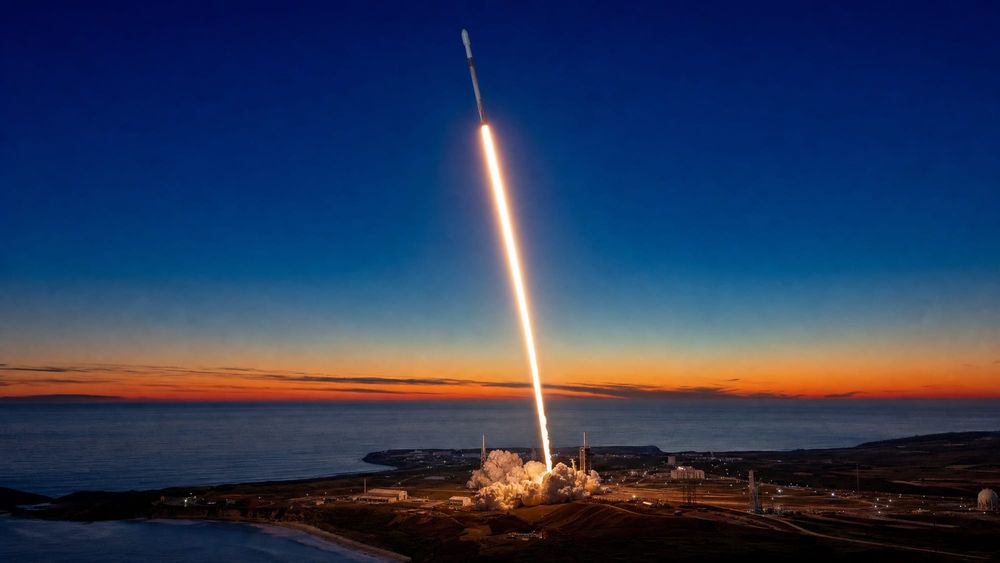
SpaceX reached a milestone that seemed implausible even two years ago: its 100th orbital mission of 2026, launched before the calendar even turned to September. The Starlink Group 15-20 mission lifted off from Vandenberg Space Force Base in California in the early hours of August 22, sending 27 Starlink satellites into low Earth orbit aboard a Falcon 9 rocket. The same week, SpaceX also surpassed 11,000 Starlink satellites launched to date, with the broadband constellation now the largest artificial structure in orbit by a wide margin.
The cadence is the story. SpaceX is now averaging more than one Falcon 9 launch every three days, a pace sustained across two coasts — Cape Canaveral in Florida and Vandenberg in California — with booster turnaround times measured in weeks rather than months. The company set a new personal record this week with two orbital launches from opposite coasts separated by just 38 minutes. Each of these flights uses a flight-proven Falcon 9 first stage that has been recovered, refurbished, and reflown, many of them on their 20th-plus mission. The reusability economics that once seemed theoretical are now routine industrial reality: a single booster flying monthly, generating revenue on every flight, with marginal costs declining as the fleet accumulates flight heritage.
The 11,000-satellite mark for Starlink underscores the constellation's scale. SpaceX has launched more satellites than every other entity in history combined, and the constellation continues to expand as the company rolls out next-generation V2 Mini satellites with improved capacity and direct-to-cell connectivity. With Starlink already serving millions of subscribers globally and positioned as SpaceX's primary revenue engine, each batch of satellites launched represents not just a space milestone but an expansion of the company's addressable market in broadband, maritime, aviation, and government services.
THE DOUGH
SpaceX's launch dominance — now approaching two launches per week — reinforces its position as the infrastructure backbone of the space economy. Every competitor, customer, and regulator must plan around SpaceX's cadence. For SpaceX's post-IPO investors, the launch rate directly correlates with Starlink revenue growth and the amortization of Falcon 9 development costs. The satellite industry's dependence on this single vehicle family also creates concentration risk that regulators and national security planners are increasingly scrutinizing.
We are not financial analysts or investment advisors. Nothing in this newsletter constitutes investment advice. All economic analysis is speculative and for informational purposes only. Do your own research.
THE POSSIBILITIES
At this pace, SpaceX could reach 150 launches by year-end — approaching the Trump administration's 1,000-per-year goal single-handedly by 2030 if cadence continues to compound. The question shifts from whether SpaceX can sustain this rate to whether the rest of the industry can exist alongside it.
THE HURDLES
The Falcon 9 fleet is aging even as it flies more frequently. Booster fatigue, upper-stage production bottlenecks, and range scheduling conflicts all represent rate limiters. A single serious anomaly could ground the fleet and cascade disruptions across the global satellite industry.
WHAT TO WATCH
- Whether SpaceX reaches 150 orbital launches by December 31, 2026
- Falcon 9 booster reuse records — which booster crosses 25 flights first?
- Starlink subscriber growth and average revenue per user trends
- Any FAA or range-imposed constraints on launch cadence
Void Economy is researched, written, and illustrated with AI, reviewed and edited by a real, live, flesh-n-blood human.