
THE STORY
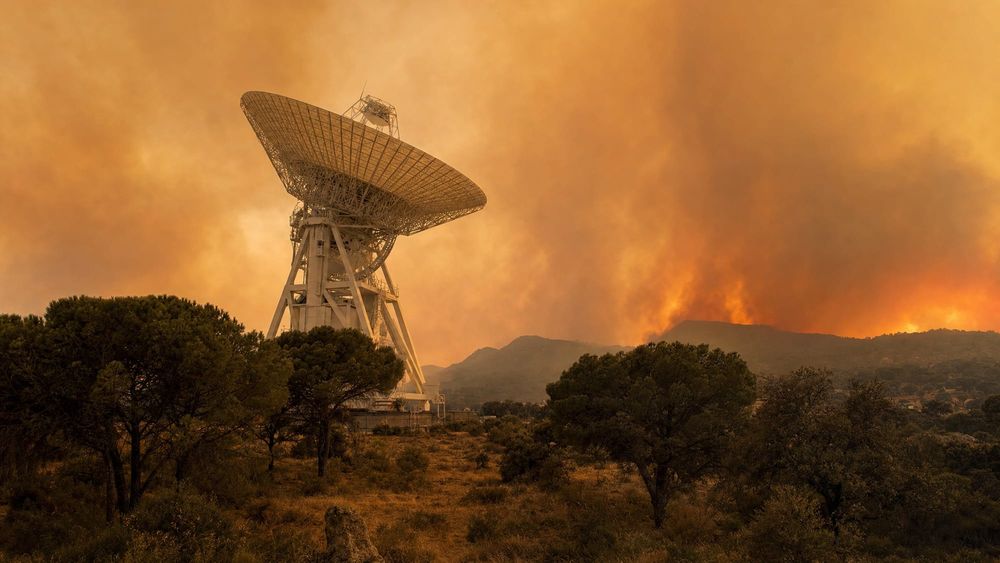
The Madrid Deep Space Communications Complex — one of only three facilities on Earth that can communicate with spacecraft beyond the Moon — was evacuated as wildfires swept through central Spain in late July. The complex, located about 60 kilometers west of Madrid near Robledo de Chavela, is part of NASA's Deep Space Network (DSN), which also includes stations in Goldstone, California, and Canberra, Australia. The three stations are spaced roughly 120 degrees apart around the globe to ensure continuous coverage of deep-space missions. NASA confirmed the facility avoided major damage, but the evacuation underscored the vulnerability of irreplaceable space infrastructure to climate-driven natural disasters.
THE DOUGH
The DSN supports every active deep-space mission — from Voyager to Mars rovers to the James Webb Space Telescope. Any extended outage at one of its three stations could degrade or interrupt communications with dozens of spacecraft. The incident highlights growing demand for DSN modernization and capacity expansion, which benefits contractors like Peraton (which operates the Madrid complex) and antenna manufacturers.
We are not financial analysts or investment advisors. Nothing in this newsletter constitutes investment advice. All economic analysis is speculative and for informational purposes only. Do your own research.
THE POSSIBILITIES
The near-miss could accelerate NASA's exploration of commercial deep-space relay networks and redundant ground station architectures, creating opportunities for companies building optical communications terminals and commercial ground stations.
THE HURDLES
Building additional DSN-class facilities requires massive investment in antenna infrastructure, real estate in radio-quiet zones, and international agreements — none of which can be done quickly.
WHAT TO WATCH
- Post-fire damage assessment at the Madrid complex
- NASA's plans for DSN capacity expansion and commercial augmentation
- Whether ESA's nearby facilities suffered similar threats