
THE STORY
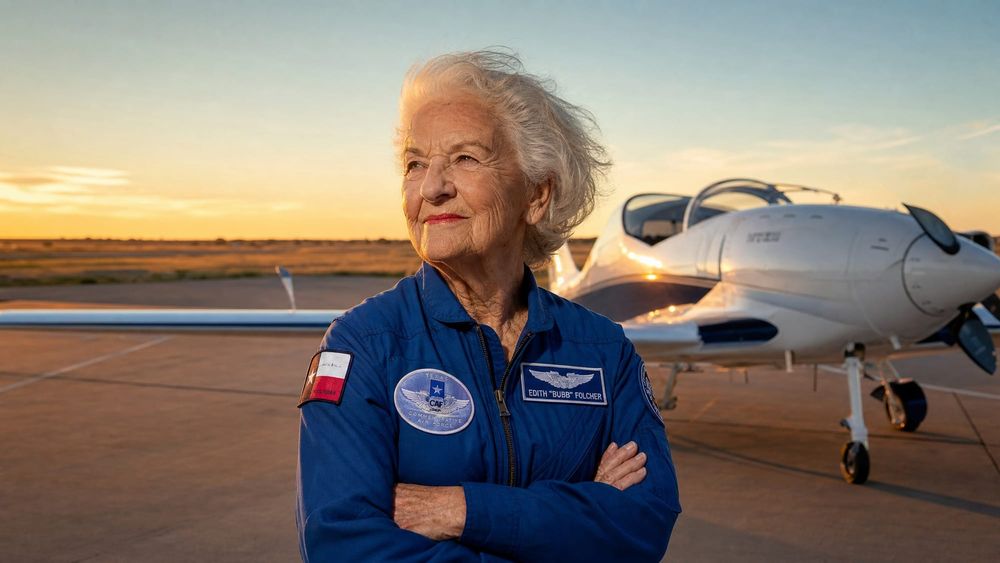
Wally Funk, the trailblazing aviator who spent six decades fighting for her right to fly in space — and finally made it at age 82 aboard Blue Origin's New Shepard — has died at 87. Funk was the last surviving member of the Mercury 13, the group of women who passed the same rigorous physical and psychological tests as NASA's original Mercury 7 astronauts in the early 1960s but were denied the chance to fly because of their gender. Her 2021 spaceflight, at the invitation of Jeff Bezos, made her the oldest person to ever reach space at the time.
THE DOUGH
Funk's legacy transcends economics, but her story — and the Mercury 13's — helped build public support for diversity in spaceflight that directly influenced NASA's crew selection for Artemis and commercial spaceflight programs. The cultural momentum she helped create continues to shape workforce development and recruitment across the aerospace industry.
We are not financial analysts or investment advisors. Nothing in this newsletter constitutes investment advice. All economic analysis is speculative and for informational purposes only. Do your own research.
THE POSSIBILITIES
Funk's flight at 82 demonstrated that space is not only for the young and military-fit — a data point that strengthens the case for space tourism and commercial spaceflight as accessible experiences, expanding the potential customer base for companies like Blue Origin, SpaceX, and Virgin Galactic.
THE HURDLES
The aerospace industry still has significant diversity gaps, particularly in engineering and leadership roles. Funk's story is inspirational, but systemic barriers to entry remain for underrepresented groups in space careers.
WHAT TO WATCH
- NASA Artemis III crew selection and its reflection of diversity commitments
- Commercial spaceflight participant demographics and accessibility trends
- Mercury 13 legacy recognition at museums and educational institutions