

THE STORY
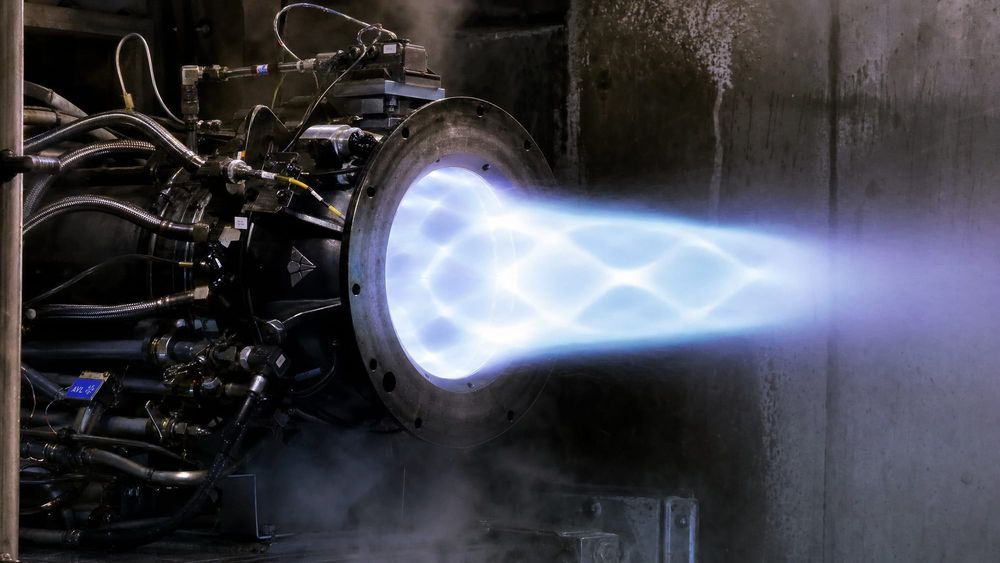
Venus Aerospace has closed a $91 million Series B round to scale production of its rotating detonation rocket engine (RDRE), a fundamentally different type of propulsion that uses continuous detonation waves — rather than conventional combustion — to generate thrust more efficiently. The RDRE is lighter, simpler, and potentially cheaper to manufacture than traditional rocket engines, and Venus is targeting applications across defense, space launch, and hypersonic flight.
THE DOUGH
RDREs represent a potential disruption of the rocket engine supply chain. If Venus can demonstrate production-ready hardware, the technology could be adopted by launch vehicle developers, missile programs, and hypersonic vehicle makers. The Series B funding signals serious investor confidence in the technology's near-term commercial viability.
We are not financial analysts or investment advisors. Nothing in this newsletter constitutes investment advice. All economic analysis is speculative and for informational purposes only. Do your own research.
THE POSSIBILITIES
A reliable RDRE could eliminate most of the complex turbopump machinery that makes conventional rocket engines so expensive and failure-prone. That simplification could make rocket propulsion accessible to a much wider range of vehicle designers and manufacturers.
THE HURDLES
No RDRE has flown on an orbital mission. The technology must demonstrate sustained operation, throttle control, and restart capability in relevant environments before it can be integrated into flight vehicles. The path from laboratory demonstrator to production engine is years long.
WHAT TO WATCH
- Venus Aerospace's hot-fire test campaign results and duration milestones
- First integration of an RDRE with a flight-test vehicle
- Competing RDRE programs from military and academic research labs