
THE STORY
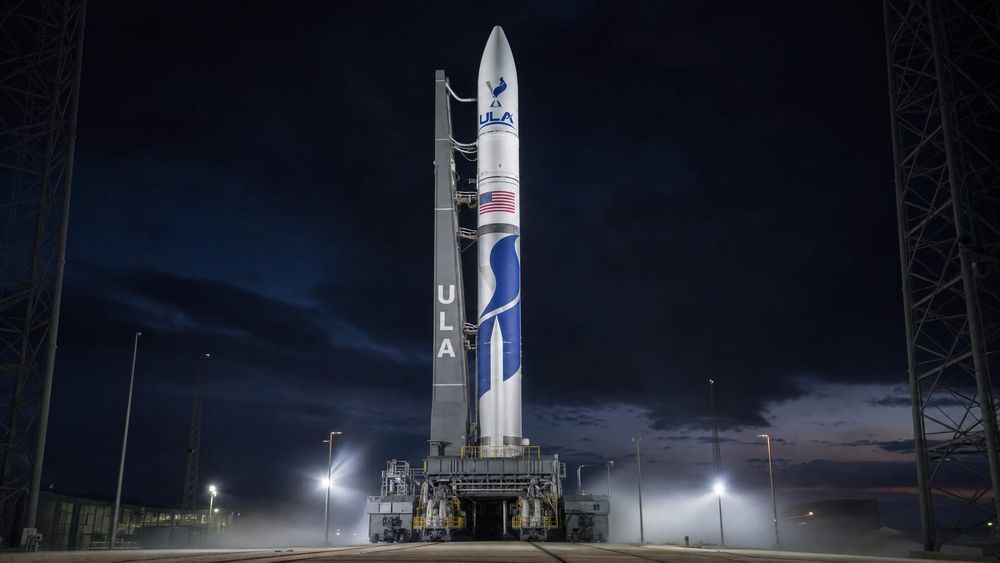
United Launch Alliance's corporate parents — Boeing and Lockheed Martin — have guaranteed a loan to the company as it addresses "financial challenges" caused by the ongoing grounding of its Vulcan Centaur rocket. The grounding, triggered by issues with Northrop Grumman-supplied solid rocket boosters, has prevented ULA from flying paying missions and forced the Space Force to reassign national security launches to SpaceX. Northrop Grumman took additional charges on the booster program and suggested updated motors might not be ready until the end of the year.
THE DOUGH
ULA's financial distress could accelerate consolidation in the launch industry. If Vulcan remains grounded through year-end, SpaceX and Blue Origin capture market share that may never return. Sierra Space's Dream Chaser, Amazon's Kuiper constellation, and other customers that booked Vulcan launches face schedule uncertainty, potentially driving them to alternative providers.
We are not financial analysts or investment advisors. Nothing in this newsletter constitutes investment advice. All economic analysis is speculative and for informational purposes only. Do your own research.
THE POSSIBILITIES
The Vulcan grounding could ultimately benefit the broader market by forcing a restructuring of ULA's business model or triggering a sale of the company, potentially to a buyer willing to invest in making Vulcan competitive with reusable vehicles.
THE HURDLES
Northrop Grumman's solid rocket motor issues are a supply-chain problem that ULA cannot solve internally. Without a return to flight, ULA risks losing its NSSL launch allocation and the institutional knowledge that comes with a regular launch cadence.
WHAT TO WATCH
- Vulcan Centaur return-to-flight date and resolution of solid rocket booster issues
- Whether Boeing or Lockheed Martin seek to divest their ULA stakes
- NASA's decision to move the SunRISE mission from Vulcan to Falcon Heavy — a visible loss of confidence