
THE STORY
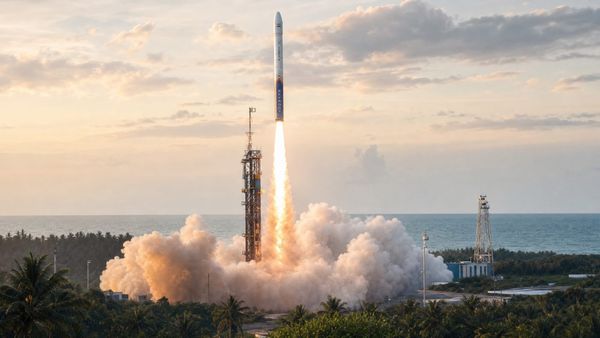
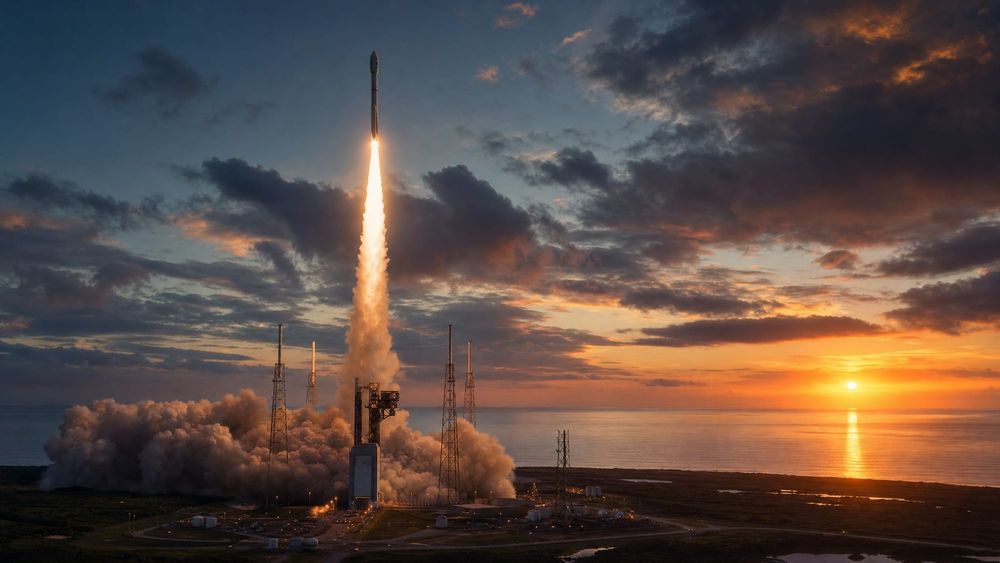
The U.S. Space Force's Space Systems Command announced on July 21 that it is tripling the ceiling on its National Security Space Launch (NSSL) Phase 3 Lane 1 contracts from $5.6 billion to $17 billion, bringing the total value of all NSSL launch contracts to approximately $30 billion. The expansion is driven by a rapidly growing national security launch manifest that the existing contract structure simply couldn't accommodate — the Trump administration's Golden Dome missile-defense initiative, proliferated LEO constellations for the Space Development Agency, and an accelerating cadence of classified payloads are all demanding more rides to orbit than the Space Force originally planned for.
Lane 1 of NSSL Phase 3, which covers medium- and heavy-lift missions, is currently competed among SpaceX, United Launch Alliance, and Blue Origin. The tripling of available funding signals that the Pentagon expects to launch significantly more national security payloads over the coming decade than it projected even two years ago. This comes on the heels of the Space Development Agency's $1.75 billion order for 36 Golden Dome missile-tracking satellites, announced the same week, and a broader defense posture that increasingly treats space as a warfighting domain requiring constant replenishment and augmentation of orbital assets.
The scale of this commitment is historically unprecedented. During the Cold War, national security launches were frequent but relied on a handful of expendable rocket families. The new NSSL structure is designed to leverage commercial launch vehicles — Falcon 9, Falcon Heavy, Vulcan Centaur, and eventually New Glenn and Starship — at commercial-like pricing and cadence. For the launch industry, $30 billion in guaranteed government demand over the next decade provides a revenue floor that de-risks vehicle development and manufacturing investments. It also creates intense competitive pressure: companies that can demonstrate reliability and offer competitive pricing will capture disproportionate share, while those that stumble — as ULA has with Vulcan's grounding — risk being left behind.
THE DOUGH
SpaceX is the obvious primary beneficiary, given its flight-proven track record and pricing advantage, but Blue Origin's New Glenn and Rocket Lab's Neutron are positioned to capture shares of the expanding manifest. ULA's financial struggles from the Vulcan grounding — its corporate parents just guaranteed a loan to keep the company afloat — underscore the stakes. Defense-focused investors should note that the $30 billion figure covers launch services only; the satellites riding those rockets represent additional tens of billions flowing to Northrop Grumman, L3Harris, Lockheed Martin, and a growing roster of commercial satellite builders selected by the Space Development Agency.
We are not financial analysts or investment advisors. Nothing in this newsletter constitutes investment advice. All economic analysis is speculative and for informational purposes only. Do your own research.
THE POSSIBILITIES
The most important downstream effect isn't the launches themselves — it's what $30 billion in guaranteed demand does to launch vehicle economics. When government contracts provide a revenue baseline, companies can invest more aggressively in reusability, manufacturing scale, and next-generation propulsion. The entire commercial launch market benefits from capabilities developed to serve national security customers.
THE HURDLES
The expanded budget assumes sustained congressional appropriations in an era of fiscal pressure, and the manifest depends on satellite programs delivering hardware on schedule — historically a weak point for defense acquisitions. ULA's Vulcan grounding has already forced the Space Force to move missions to SpaceX, highlighting the risk of depending on vehicles that haven't yet proven operational reliability.
WHAT TO WATCH
- Vulcan Centaur return-to-flight timeline and whether ULA retains its NSSL mission share
- Blue Origin's New Glenn hot fire testing at Stennis and progress toward first orbital flight
- SpaceX Starship certification for national security missions — a potential game-changer for heavy payloads
- Congressional defense appropriations and whether the $30B ceiling translates to actual obligations
- Space Development Agency's satellite delivery cadence and whether it can absorb the increased launch capacity