
THE STORY
The U.S. Space Force's Space Systems Command awarded National Security Space Launch (NSSL) Phase 3 Lane 1 contracts to both Relativity Space and Impulse Space, bringing the total number of companies eligible for military launch missions to seven. Notably, Impulse Space is the first upper-stage-only provider to receive an NSSL contract — it doesn't build its own rockets but instead provides in-space transport vehicles that ride as secondary payloads on other launchers to deliver military satellites to their final orbits.
THE DOUGH
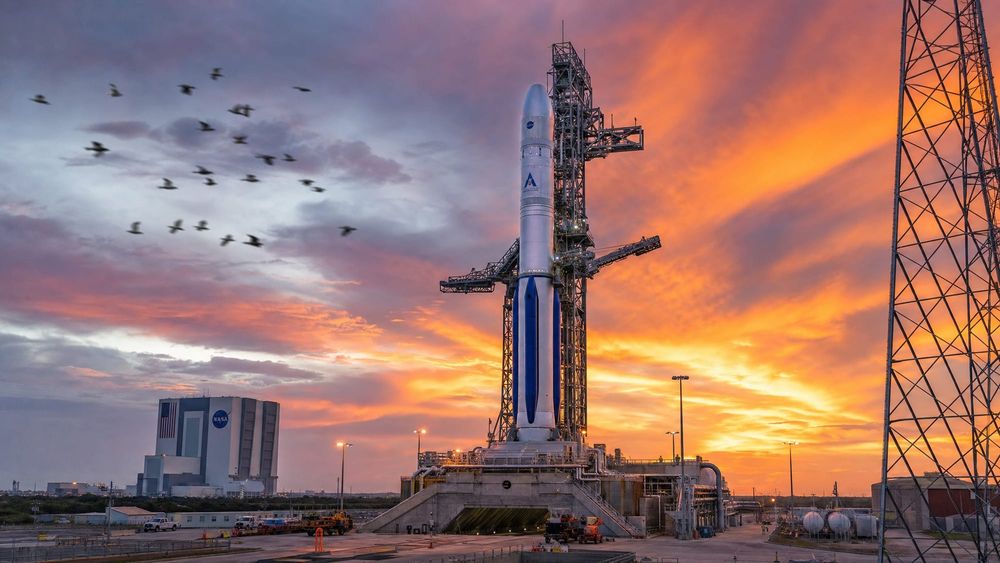
NSSL contracts provide revenue visibility and credibility that commercial markets alone cannot match. For Relativity, the award validates its Terran R vehicle program. For Impulse Space, it opens a new procurement category that could benefit other orbital transfer vehicle companies like Momentus and D-Orbit.
We are not financial analysts or investment advisors. Nothing in this newsletter constitutes investment advice. All economic analysis is speculative and for informational purposes only. Do your own research.
THE POSSIBILITIES
Impulse Space's inclusion signals that the Space Force is rethinking launch as a disaggregated service — separating the "ride to orbit" from "delivery to final orbit." This modular approach could create a thriving market for orbital transfer vehicles that is independent of any single launch provider.
THE HURDLES
Neither Relativity's Terran R nor Impulse Space's orbital transfer vehicles have completed operational missions. Winning a contract framework and winning actual task orders are very different things — the companies must demonstrate flight readiness before receiving funded missions.
WHAT TO WATCH
- Relativity Space's Terran R first launch timeline
- Impulse Space's first operational orbital transfer mission
- Task order awards under the NSSL Phase 3 Lane 1 framework