
THE STORY
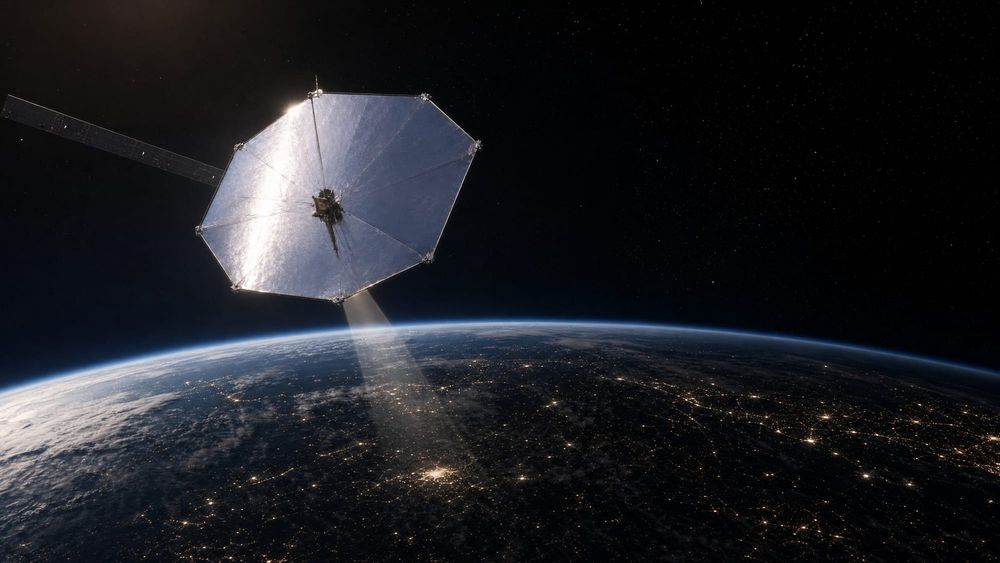
The Federal Communications Commission has approved Reflect Orbital's application to launch a demonstration satellite that will test the ability to redirect sunlight to ground targets at night using an orbital reflector. The concept: a satellite carrying a large, lightweight mirror would position itself to catch sunlight and reflect it downward to solar farms, disaster zones, or agricultural regions during nighttime hours. Astronomers and environmental groups have sharply criticized the project, warning of light pollution impacts on astronomical observations and ecosystems.
THE DOUGH
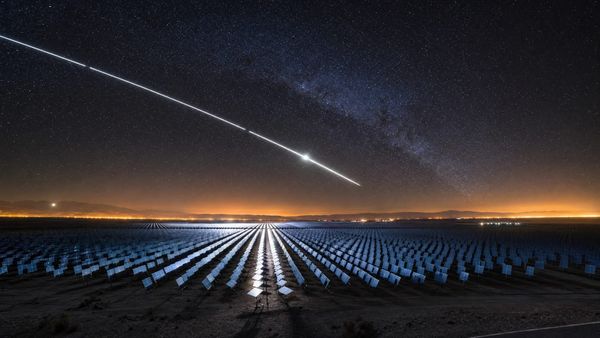
If orbital sunlight reflection proves commercially viable, it could extend the productive hours of ground-based solar energy installations — potentially addressing one of solar power's fundamental limitations. The market for supplemental orbital illumination in agriculture, disaster response, and energy is speculative but could be substantial if the technology delivers on its promise.
We are not financial analysts or investment advisors. Nothing in this newsletter constitutes investment advice. All economic analysis is speculative and for informational purposes only. Do your own research.
THE POSSIBILITIES
Beyond energy, orbital reflectors could provide illumination for nighttime disaster response and search-and-rescue operations, or extend daylight hours for high-latitude agricultural regions during growing season — applications with humanitarian value that could build public support for the technology.
THE HURDLES
The astronomical community's opposition is fierce and well-organized. Even a single bright reflector could contaminate sensitive observations, and scaling to a fleet of reflectors would compound the problem. International regulatory frameworks for orbital light pollution essentially don't exist.
WHAT TO WATCH
- Reflect Orbital's launch timeline and initial reflector deployment tests
- Astronomical community legal or regulatory challenges
- Measured brightness and ground illumination data from the demo mission