
THE STORY
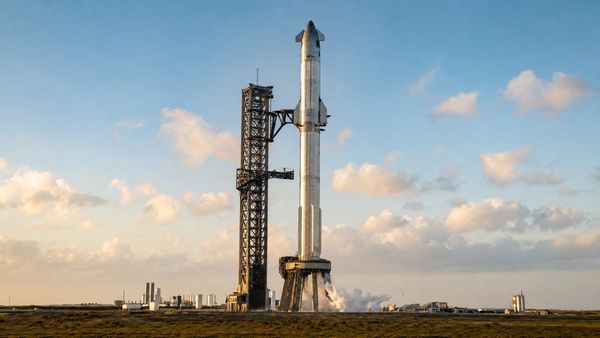
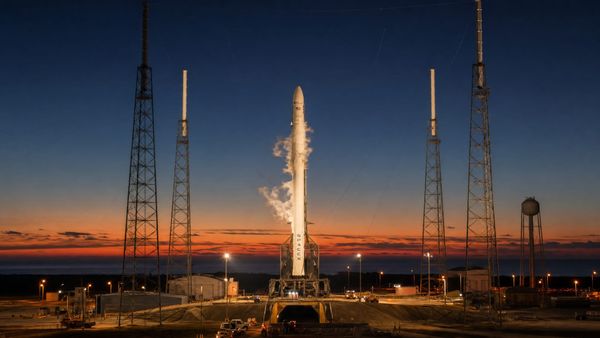
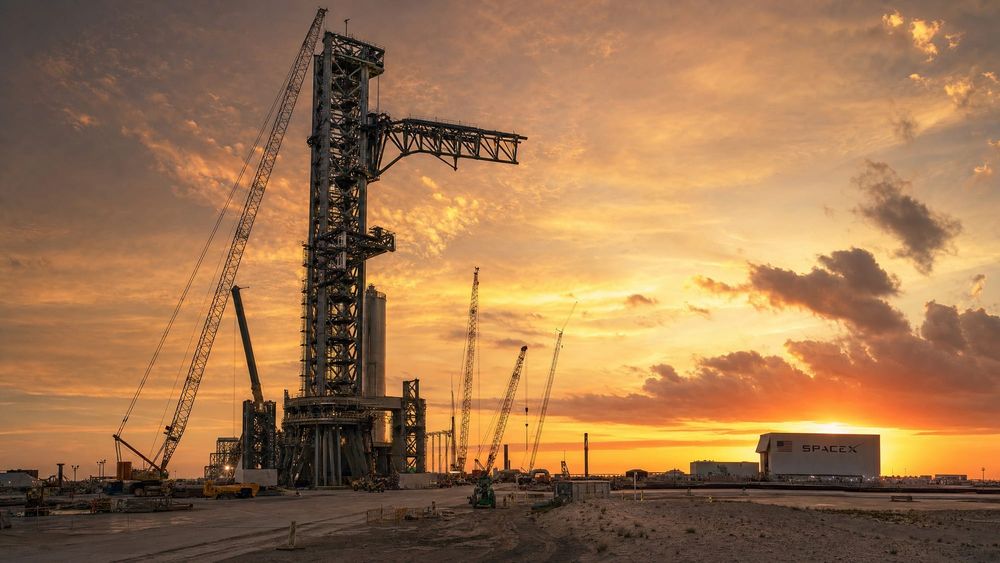
SpaceX is pushing hard to achieve a Starship launch from Kennedy Space Center's LC-39A this year, with site preparation at Cape Canaveral now advancing rapidly alongside contractors building out the Florida launch infrastructure. Simultaneously, SpaceX completed a static fire of all six Starship upper-stage engines at its Starbase facility in Texas, igniting the full engine complement for a solid minute in preparation for the vehicle's 13th test flight. Dual-coast Starship operations would give SpaceX something it has never had: the ability to launch Starship from both the Gulf Coast and the Atlantic Coast, dramatically increasing flight cadence and providing trajectory flexibility for different mission profiles — including polar orbits, ISS servicing, and eventually crewed missions.
THE DOUGH
Florida Starship launches unlock east-coast trajectories essential for NASA's Artemis HLS missions, DoD payloads, and commercial space station servicing. The cadence increase benefits SpaceX's publicly traded stock (SPCX) and the entire ecosystem of companies dependent on Starship's cost-per-kilogram economics — from Vast's Haven-1 station to Axiom Space to any operator planning payloads too heavy for Falcon 9.
We are not financial analysts or investment advisors. Nothing in this newsletter constitutes investment advice. All economic analysis is speculative and for informational purposes only. Do your own research.
THE POSSIBILITIES
Dual-coast Starship operations could make SpaceX's launch manifest essentially weather-independent — if conditions scrub in Florida, Texas can pick up the slack, and vice versa. For time-critical missions like military responsive launch or ISS emergency supply runs, this redundancy is operationally transformative.
THE HURDLES
Environmental review and FAA licensing for Florida Starship launches are still in process, and Cape Canaveral's densely packed launch infrastructure means any anomaly carries greater risk of collateral damage than at the remote Starbase site. SpaceX also faces regulatory cadence constraints — the FAA has struggled to keep pace with SpaceX's desired launch tempo.
WHAT TO WATCH
- FAA environmental review and launch license timeline for LC-39A Starship operations
- Starship Flight 13 launch date and mission objectives from Starbase
- Progress on the Florida launch mount and integration infrastructure