
THE STORY
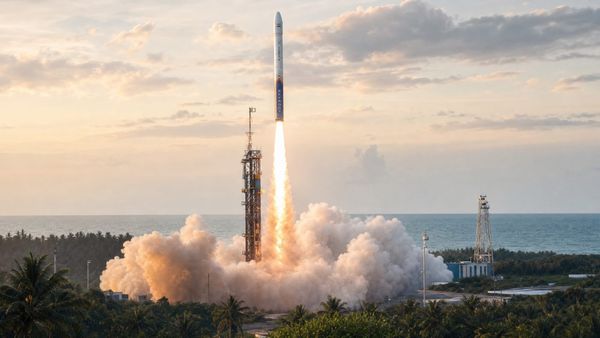
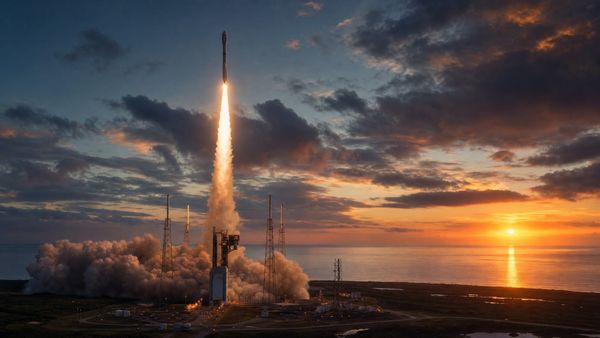
SpaceX launched Starship on its thirteenth integrated flight test on July 24 from Starbase, Texas, and for the first time the world's most powerful rocket did what it was actually built to do: deploy satellites. The 407-foot Super Heavy–Starship stack lifted off on roughly 16 million pounds of thrust from its 33 methane-fueled Raptor engines, successfully separating the upper stage and sending it on a suborbital arc over the Indian Ocean. Onboard were functioning Starlink V3 satellites — the next-generation broadband spacecraft designed specifically for Starship's cavernous payload bay — and SpaceX confirmed they were deployed in orbit, marking the first time Starship has delivered operational hardware to space rather than simply flying test articles.
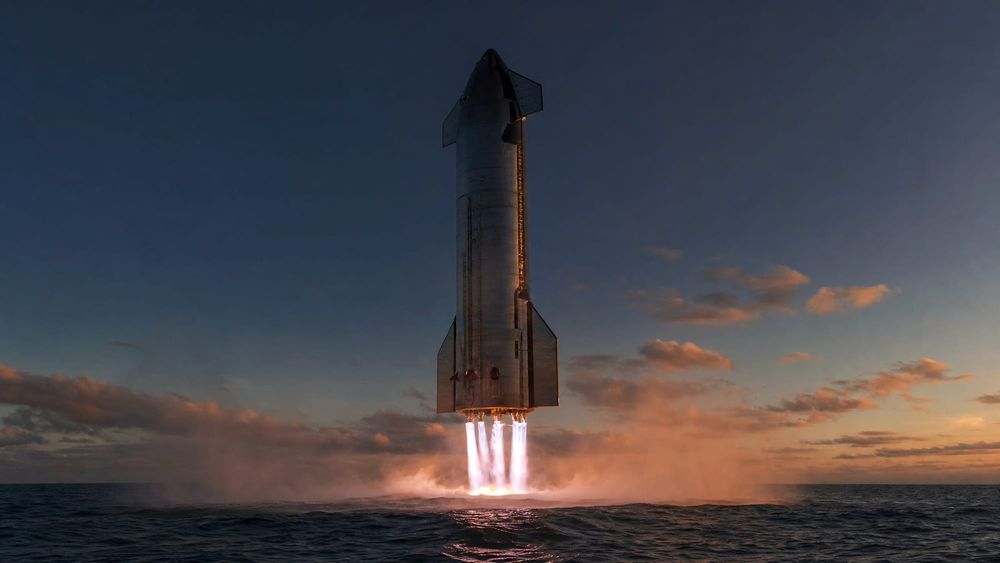
The upper stage then executed what SpaceX described as the "softest splashdown" ever achieved, performing a controlled landing burn and touching down in the Indian Ocean with enough precision and gentleness to suggest that catching the Ship on a tower — the way SpaceX already catches Super Heavy boosters — is now within reach. Hours after splashdown, Elon Musk confirmed exactly that ambition: "Unless we discover problems after mission data review, SpaceX will attempt to catch the ship with the tower" on Flight 14. If successful, it would be the first time any spacecraft of this size and class has been caught mid-air on a launch tower, a feat that could enable rapid reuse of the full Starship stack and fundamentally rewrite the economics of spaceflight.
The flight was not flawless. Multiple sources reported that the Super Heavy booster appears to have suffered another issue relighting engines during its return, a recurring problem that SpaceX has been chasing across recent flights. The booster was not caught on this mission. But the overall trajectory of the program is unmistakable: Starship went from explosive failures to deploying commercial satellites and soft-landing its upper stage in about two years of integrated test flights. SpaceX has also confirmed it is no longer accepting new orders for Falcon 9, signaling that the transition to Starship as its primary launch vehicle is accelerating. The company's post-IPO stock has been under pressure, and a successful Flight 14 ship catch could provide the kind of dramatic, visible milestone that both the engineering program and Wall Street are waiting for.
THE DOUGH
Starship's transition from test vehicle to operational launcher directly benefits SpaceX's post-IPO valuation narrative, which has been under strain with shares falling roughly 50% from their highs. The deployment of V3 Starlink satellites validates the entire vertical integration thesis — Starship launches the satellites that generate Starlink revenue that funds more Starships. Companies depending on Starship's cost-per-kilogram economics, from commercial space station developers like Vast and Axiom to lunar lander programs, gain credibility as the vehicle matures. The halt in Falcon 9 orders signals a narrowing window for competitors like Rocket Lab, ULA, and Arianespace to capture payloads before Starship's pricing dominance becomes unassailable.
We are not financial analysts or investment advisors. Nothing in this newsletter constitutes investment advice. All economic analysis is speculative and for informational purposes only. Do your own research.
THE POSSIBILITIES
The ship catch attempt on Flight 14 is the most consequential near-term milestone in spaceflight. If SpaceX can catch and rapidly refly both stages, the theoretical turnaround time for a Starship mission drops from months to weeks — or eventually days. That changes the calculus for every mission architecture that depends on cheap, frequent heavy-lift access to space, from orbital propellant depots to Mars transit vehicles.
THE HURDLES
The recurring booster engine relight issue remains unsolved and could become a gating problem if it affects catch reliability. FAA licensing timelines for increasingly ambitious flight profiles add regulatory friction. And SpaceX's first-ever public earnings report is due August 4 — any Flight 14 anomaly could amplify investor anxiety at the worst possible moment.
WHAT TO WATCH
- Flight 14 ship catch attempt — date, success, and any anomalies during the maneuver
- Post-flight analysis of the booster engine relight issue and whether it delays catch attempts
- V3 Starlink satellite on-orbit performance and whether SpaceX scales up V3 deployment on subsequent flights
- SpaceX's first public earnings report on August 4 and how Starship progress factors into the narrative
- FAA license cadence for increasingly complex Starship flight profiles