
THE STORY
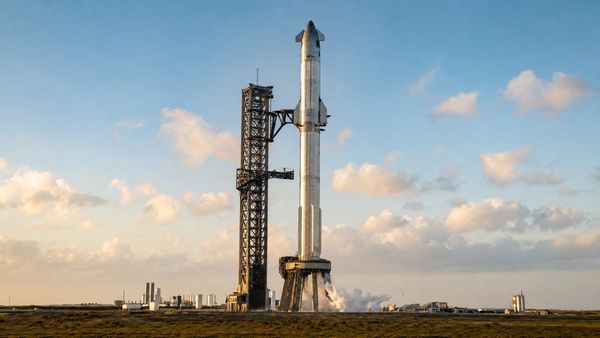
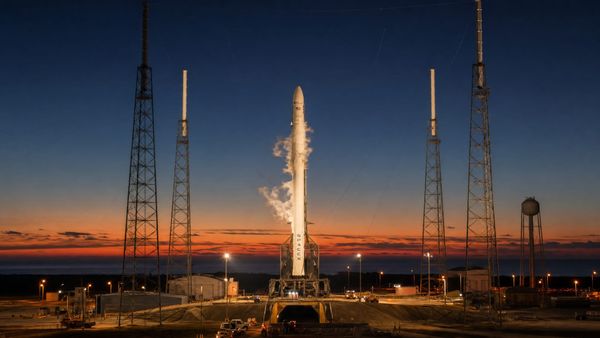
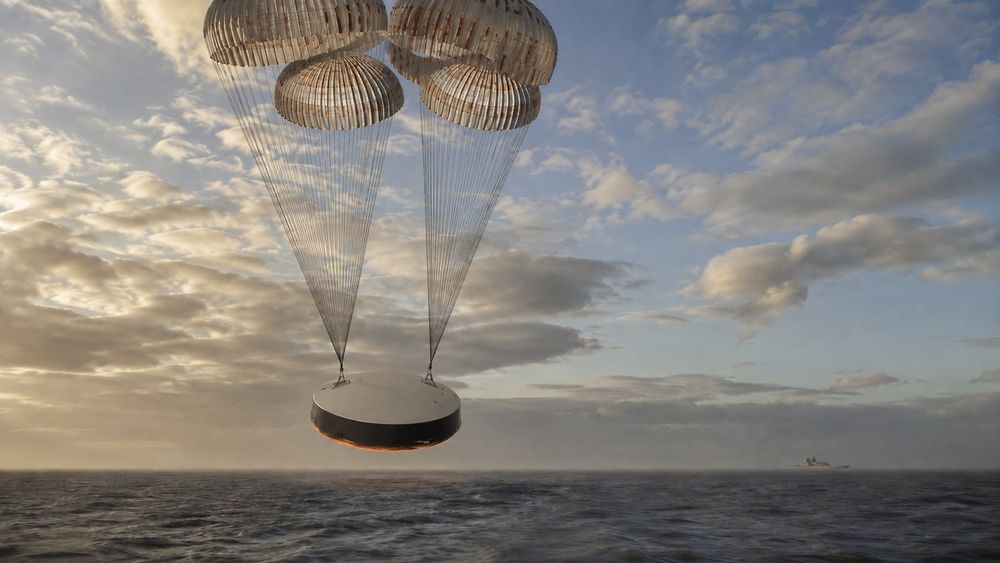
SpaceX launched the first-ever test flight of its Starfall reentry capsule on June 23 from pad 40 at Cape Canaveral Space Force Station, debuting an entirely new class of spacecraft designed to enable regular access to microgravity for science and in-space manufacturing. The disc-shaped vehicle, weighing approximately 2,100 kilograms (4,600 pounds), rode a Falcon 9 to orbit, operated in space, and returned to Earth — demonstrating the full mission profile in a single flight. The mission had been shrouded in secrecy, with SpaceX revealing minimal details about Starfall's design or capabilities before launch.
What sets Starfall apart from SpaceX's existing Dragon capsule is its purpose. Dragon was built to carry cargo and crew to the International Space Station. Starfall is built for something fundamentally different: the transport and delivery of goods through space. Think of it as a space-grade shipping container — a vehicle optimized for lofting payloads into microgravity, letting them cook for hours or days in the space environment, and then bringing them back to Earth intact. The applications range from pharmaceutical crystallization and semiconductor manufacturing to biological research and materials science experiments that benefit from the unique conditions of freefall. In-space manufacturing has been discussed for decades but has been held back by the prohibitive cost of accessing microgravity. Every kilogram sent to orbit and returned requires its own spacecraft, heat shield, parachute system, and recovery operation. Starfall appears designed to amortize those costs across high-volume, routine flights — much as Falcon 9's reusability slashed the cost of getting to orbit in the first place.
The timing is significant. Several startups — including Varda Space Industries, which has already demonstrated pharmaceutical manufacturing in orbit — are building businesses around the premise that certain products are worth more when made in space. But all of them face a bottleneck: there aren't enough affordable reentry vehicles to bring products home. Starfall could become the FedEx truck of the orbital economy, providing standardized, frequent, and relatively inexpensive return-from-orbit capability. A successful demo flight validates the heat shield, guidance system, and recovery operations in a single stroke, clearing the path toward commercial service.
THE DOUGH
Starfall directly threatens the business models of startups building their own reentry vehicles while simultaneously enabling companies that want to manufacture in space without building their own spacecraft. Varda Space Industries, Space Forge, and other in-space manufacturing ventures could become customers — or competitors. The vehicle also positions SpaceX to capture defense and intelligence payloads that require rapid return from orbit, a market the Pentagon has been funding through programs like the Rocket Cargo initiative.
We are not financial analysts or investment advisors. Nothing in this newsletter constitutes investment advice. All economic analysis is speculative and for informational purposes only. Do your own research.
THE POSSIBILITIES
If Starfall can achieve the kind of reusability and flight cadence that Falcon 9 demonstrated for launch, the cost of a round-trip ticket to microgravity drops to the point where pharmaceutical companies could run production batches in orbit — not just experiments. That creates a space manufacturing economy measured in billions, not millions.
THE HURDLES
A single demo flight proves the concept but not the economics. Starfall needs to demonstrate rapid turnaround, reliable payload recovery, and the ability to fly dozens of missions per year before it can underpin a real manufacturing supply chain. SpaceX also hasn't disclosed pricing, and the in-space manufacturing market remains unproven at commercial scale.
WHAT TO WATCH
- Post-flight inspection results from the Starfall demo capsule
- SpaceX announcements on commercial availability and pricing
- Whether Varda, Space Forge, or other in-space manufacturing startups sign up as customers
- Pentagon interest in Starfall for rapid-return military payloads
- Timeline for the first revenue-generating Starfall mission