THE STORY
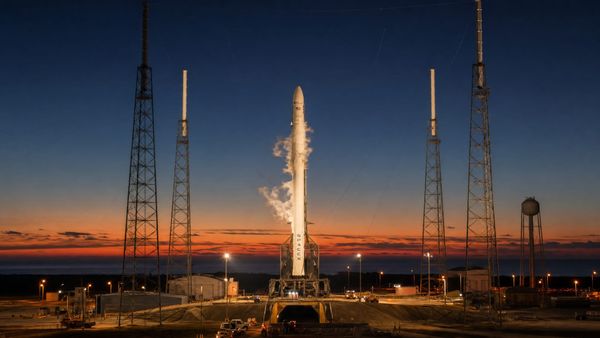
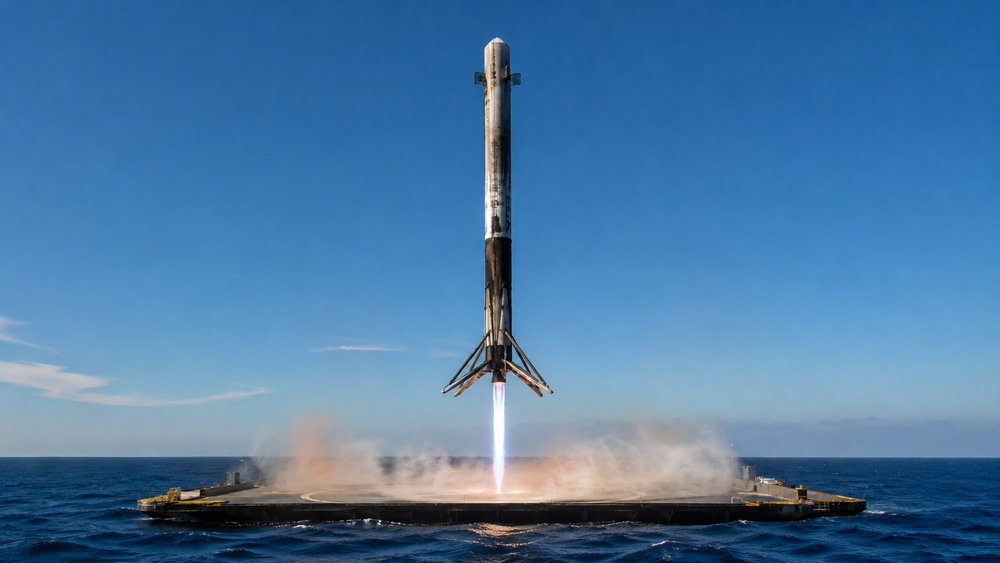
SpaceX launched a Falcon 9 rocket from pad 40 at Cape Canaveral Space Force Station on Saturday, June 7, sending another batch of Starlink satellites into orbit aboard a booster making its record-breaking 35th flight. The Starlink 10-35 mission, the 53rd dedicated Starlink launch of the year, landed the booster successfully on a drone ship in the Atlantic Ocean, extending the vehicle's already unprecedented reuse record. Each additional flight on a proven booster pushes the cost-per-kilogram to orbit lower, strengthening the economic moat that makes SpaceX's launch pricing essentially impossible for competitors to match.
To put 35 flights in perspective: when SpaceX first began recovering Falcon 9 boosters in 2015, the idea that a single first stage could fly dozens of times was considered wildly optimistic even by the company's own supporters. The original reuse target was ten flights. Now, with a single booster approaching 40 uses and showing no signs of retirement, SpaceX has proven that orbital-class rocket reusability isn't just possible — it's routine industrial practice. The company launched its 60th Falcon 9 of 2026 the same week, maintaining a cadence that no other launch provider on Earth can approach.
THE DOUGH
Every additional flight on an existing booster amortizes the hardware cost further, improving SpaceX's margins on both commercial and government launches. This directly strengthens the Starlink business model ahead of the IPO. For the broader launch industry, the 35-flight milestone is a competitive wall: no other provider has demonstrated even double-digit reuse of an orbital booster, meaning SpaceX's pricing advantage compounds with every flight.
We are not financial analysts or investment advisors. Nothing in this newsletter constitutes investment advice. All economic analysis is speculative and for informational purposes only. Do your own research.
THE POSSIBILITIES
If Falcon 9 boosters routinely reach 50 or 100 flights, the vehicle could remain economically dominant even after Starship enters regular service — serving as a reliable workhorse for medium-lift missions while Starship handles the heavy payloads and novel missions that justify its larger vehicle economics.
THE HURDLES
At some point, material fatigue will impose a hard limit on booster reuse. SpaceX has not publicly disclosed what inspection or refurbishment regime supports flights beyond 30 uses, and any in-flight failure of a high-cycle booster would force a fleet-wide reassessment.
WHAT TO WATCH
- Whether SpaceX retires this booster at a specific flight count or continues pushing the envelope
- FAA certification standards for high-flight-count boosters and any regulatory friction
- Competitor reuse milestones from Rocket Lab's Neutron or China's reusable rockets