

THE STORY
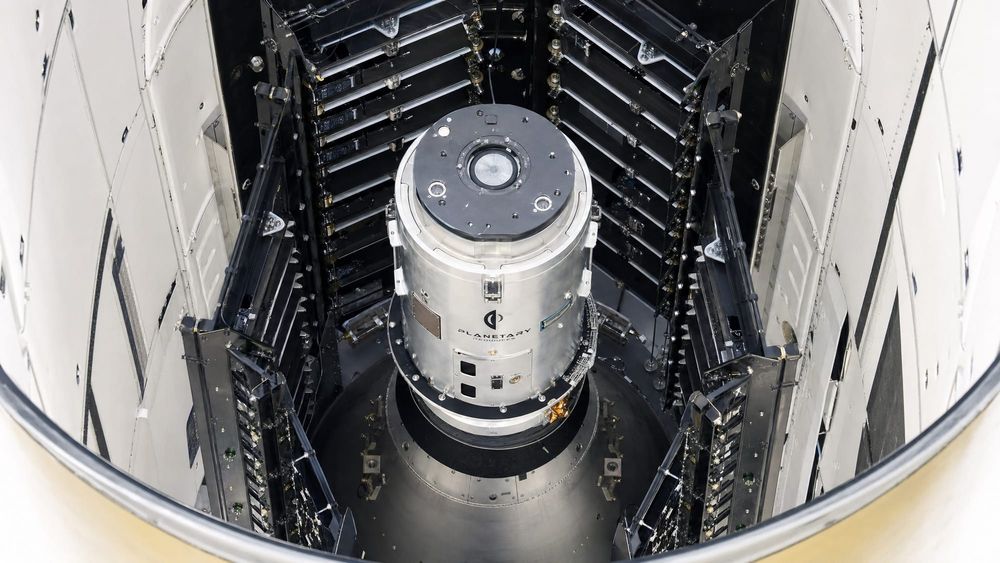
SpaceX's Starlink 10-50 mission, launched July 4 from Space Launch Complex 40, carried two semiconductor manufacturing test pods built by Besxar Space Industries alongside the standard batch of Starlink satellites. These pods are designed to test whether microgravity can produce higher-quality semiconductor wafers than terrestrial fabs — exploiting the absence of convection currents and sedimentation to grow more uniform crystal structures. If successful, orbital semiconductor manufacturing could produce chips with defect densities impossible to achieve on Earth.
THE DOUGH
The space manufacturing sector remains nascent but is attracting serious investment. Companies like Varda Space Industries (which has already returned materials manufactured in orbit) and Space Forge are pursuing similar microgravity manufacturing concepts. A proven orbital semiconductor fab — even a small one — could command premium pricing for specialty chips used in defense, medical, and quantum computing applications.
We are not financial analysts or investment advisors. Nothing in this newsletter constitutes investment advice. All economic analysis is speculative and for informational purposes only. Do your own research.
THE POSSIBILITIES
If microgravity-grown semiconductors demonstrate measurably superior performance, it could create an entirely new tier of chip manufacturing — "space-grade" processors commanding 10x or 100x the price of terrestrial equivalents, targeted at applications where performance is more important than cost.
THE HURDLES
Scaling semiconductor manufacturing in orbit faces enormous logistical challenges — you need cleanroom conditions, precise thermal control, and a way to get finished wafers back to Earth intact. The economics only work if the performance improvement justifies the launch and reentry costs.
WHAT TO WATCH
- Besxar's on-orbit test results and wafer quality data
- Varda Space Industries' next reentry capsule mission
- Whether major chipmakers express interest in orbital manufacturing partnerships