
THE STORY
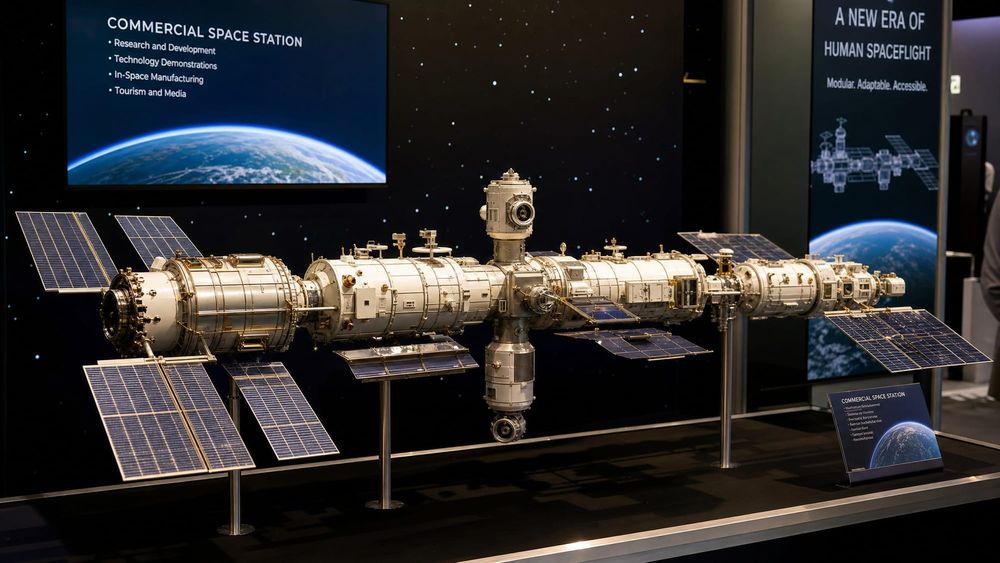
NASA released a draft Request for Proposals for the second phase of its Commercial Low Earth Orbit Destinations (CLD) program, formally seeking industry feedback on how to transition from the International Space Station to privately built and operated space stations. The draft RFP outlines NASA's requirements for commercial habitats that would host both government astronauts and private customers, with capabilities spanning scientific research, manufacturing, and technology demonstration.
THE DOUGH
The CLD program represents billions in potential NASA contracts for commercial space station developers including Axiom Space, Vast, and the Blue Origin-led Orbital Reef consortium. The draft RFP gives industry its first detailed look at NASA's technical and operational requirements, enabling companies to refine their designs and business cases.
We are not financial analysts or investment advisors. Nothing in this newsletter constitutes investment advice. All economic analysis is speculative and for informational purposes only. Do your own research.
THE POSSIBILITIES
If NASA succeeds in fostering multiple commercial stations, it could create a competitive marketplace for orbital research and manufacturing services — dramatically reducing costs compared to the ISS model and enabling applications like bioprinting, materials science, and pharmaceutical development at commercial scale.
THE HURDLES
No commercial space station has yet demonstrated the life support, crew habitability, and long-duration reliability required for NASA's needs. The ISS retirement timeline and CLD operational dates must align — a gap between the two would leave the U.S. without a crewed orbital platform.
WHAT TO WATCH
- Industry responses to the draft RFP and NASA's final solicitation timeline
- Axiom Space module integration milestones on the ISS
- Vast Haven-2 development progress and launch timeline