
THE STORY
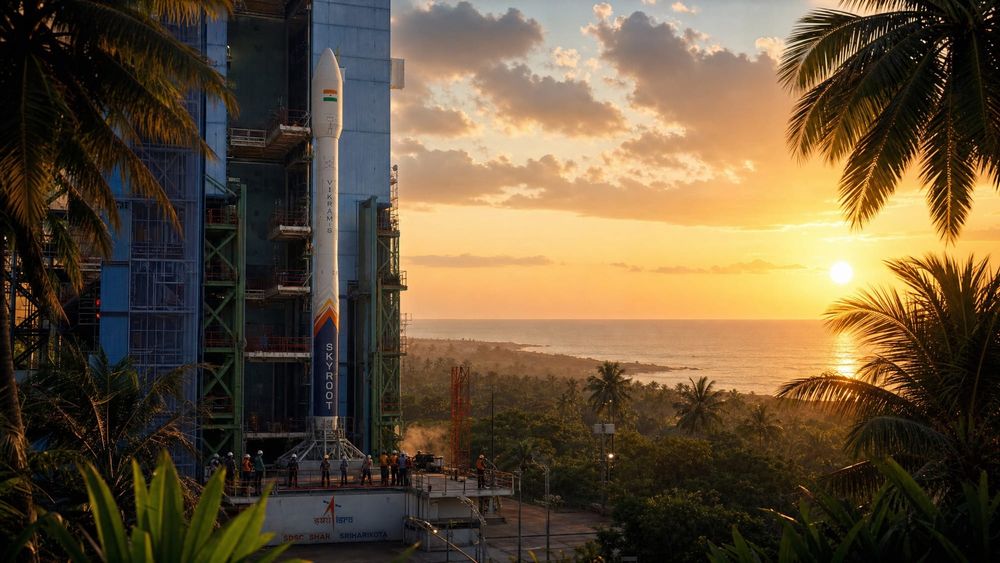
Skyroot Aerospace has announced a launch window of July 12 to August 4 for the debut flight of Vikram-1, which would make it India's first privately designed and developed orbital rocket. The Hyderabad-based company, India's first space unicorn, has faced several delays but says it is now in final preparations at its launch site. A successful flight would mark a pivotal moment for India's fledgling private space industry, which has grown rapidly since the country liberalized space activities in 2020.
THE DOUGH
India's commercial space sector is projected to grow from $8 billion to $44 billion by 2033 according to the Indian Space Association. Skyroot's success would validate the investment thesis for the entire Indian private launch sector and could attract significant foreign investment. Companies like Agnikul Cosmos and Pixxel are also advancing, creating a nascent ecosystem.
We are not financial analysts or investment advisors. Nothing in this newsletter constitutes investment advice. All economic analysis is speculative and for informational purposes only. Do your own research.
THE POSSIBILITIES
India's cost advantages in manufacturing and engineering could make it a serious competitor in the small-launch market, particularly for customers seeking geopolitical diversification away from U.S. and Chinese launch providers.
THE HURDLES
First orbital launches have historically high failure rates. Vikram-1 uses a combination of solid and liquid propulsion stages that haven't yet been flight-proven together. Regulatory infrastructure for commercial launches in India is still maturing.
WHAT TO WATCH
- Vikram-1 launch attempt and orbital insertion results
- ISRO's evolving relationship with private launch providers
- Follow-on funding rounds for Indian space startups contingent on Skyroot's success