
THE STORY
The FCC voted on July 22 to push satellite operators out of 160 MHz of upper C-band spectrum for a 5G auction in 2027, while simultaneously approving a sweeping overhaul of its space and earth station licensing process. The new "assembly line" licensing approach is designed to dramatically accelerate the approval of commercial satellite constellations by standardizing application reviews and reducing processing times that have historically stretched to years.
THE DOUGH
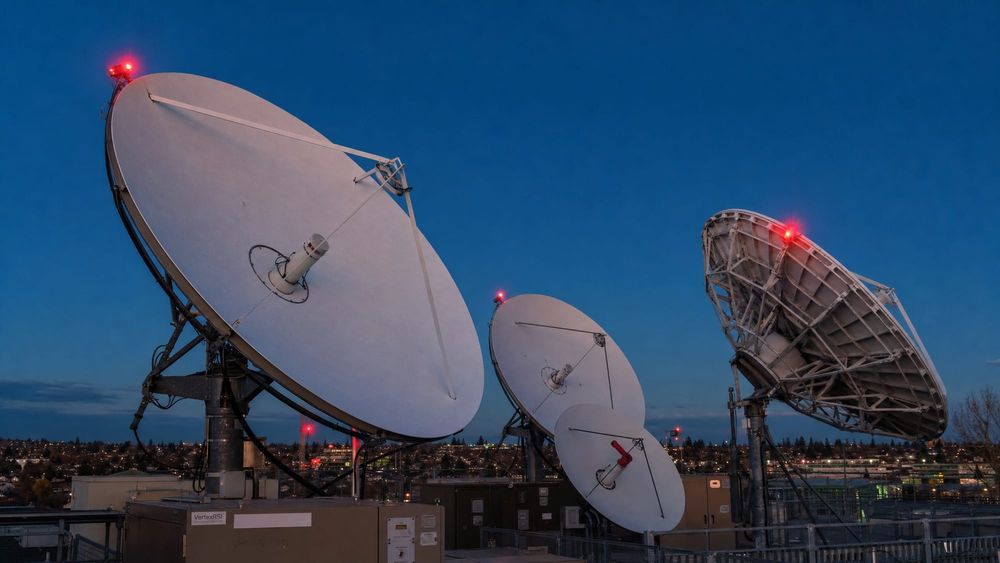
Faster licensing directly benefits constellation operators like SpaceX, Amazon's Kuiper, and dozens of smaller companies waiting in the FCC queue. The C-band auction will generate spectrum revenue but forces incumbent satellite operators to clear additional frequencies, creating transition costs. Ground equipment and antenna manufacturers benefit from both the spectrum transition and the anticipated increase in licensed constellations.
We are not financial analysts or investment advisors. Nothing in this newsletter constitutes investment advice. All economic analysis is speculative and for informational purposes only. Do your own research.
THE POSSIBILITIES
Streamlined licensing could unleash a wave of new constellation filings, accelerating the commercialization of novel orbital services from Earth observation to IoT connectivity.
THE HURDLES
The C-band transition will face pushback from affected satellite operators, and the FCC's assembly-line approach must actually deliver faster processing times — a promise the agency has made before without fully delivering.
WHAT TO WATCH
- Average satellite license processing time under the new framework
- C-band auction timeline and expected revenue
- Whether the FCC's proposed Bluetooth/Wi-Fi satellite bands (also announced this week) gain traction