
THE STORY
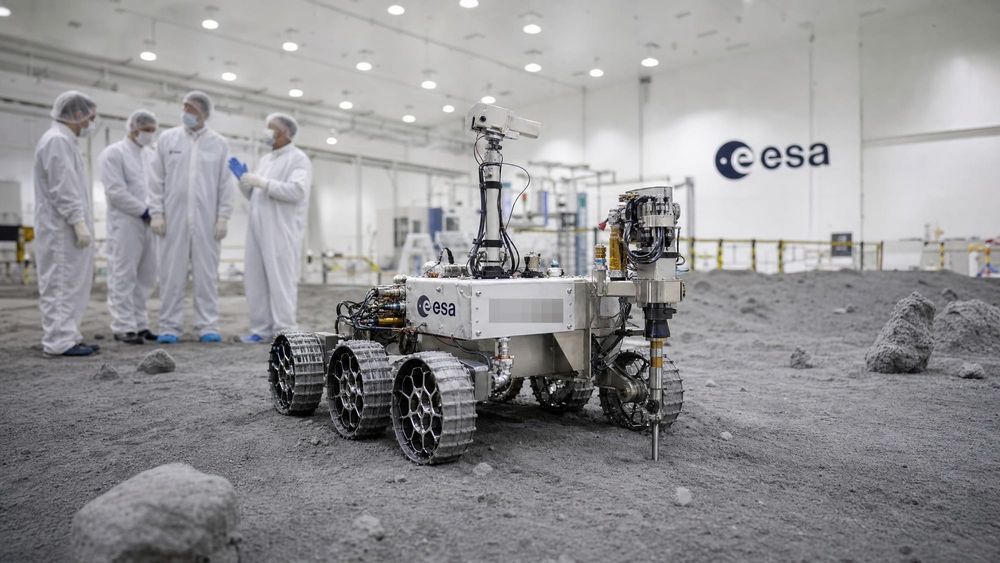
ESA committed €65 million to ispace-Europe for the development and delivery of Europe's first lunar polar ice exploration rover. The mission aims to prospect for water ice in permanently shadowed regions near the lunar south pole — resources that are central to plans for sustainable human presence on the Moon. ispace-Europe, the continental arm of the Japanese lunar exploration company, will build and operate the rover.
THE DOUGH
The contract positions ispace-Europe as a key player in the growing commercial lunar services market, alongside Intuitive Machines and Astrobotic in the U.S. European industrial participation in lunar exploration creates procurement opportunities for component suppliers and instrument builders across the continent.
We are not financial analysts or investment advisors. Nothing in this newsletter constitutes investment advice. All economic analysis is speculative and for informational purposes only. Do your own research.
THE POSSIBILITIES
If the rover confirms accessible water ice deposits, it could reshape the economics of lunar base planning and validate in-situ resource utilization concepts that both NASA and ESA are counting on for sustained operations.
THE HURDLES
Surviving the lunar south pole's extreme thermal environment and operating in permanently shadowed craters without solar power remain formidable engineering challenges. ispace's first lunar lander mission ended in a crash in 2023.
WHAT TO WATCH
- Mission timeline and launch vehicle selection
- Rover power system design for operations in permanent shadow
- Coordination with NASA's VIPER-successor plans for polar ice prospecting