THE STORY
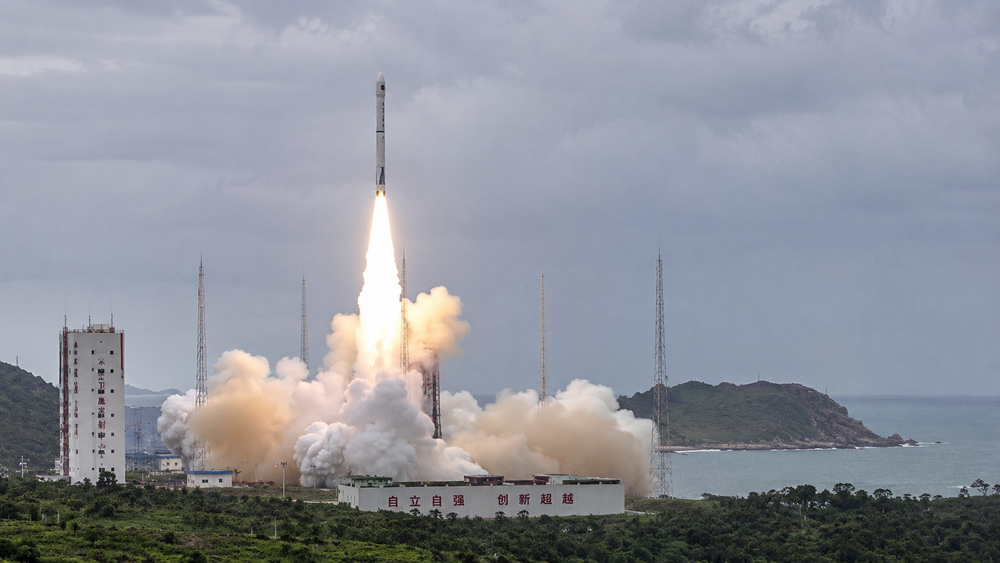
China conducted the maiden launch of its partially reusable Long March 12B rocket on June 1 without issuing any advance airspace closure notices — a surprise debut that delivered operational Qianfan broadband constellation satellites to orbit on its very first flight. The Long March 12B closely mirrors the SpaceX Falcon 9's design philosophy, using a kerosene-liquid oxygen first stage designed for eventual recovery and reuse. The launch brought the Qianfan constellation past the 200-satellite milestone with additional Long March 8 and 6A missions the same week.
THE DOUGH
China's growing roster of partially reusable rockets directly challenges SpaceX's launch pricing dominance in the Asian and developing-world markets. The Qianfan constellation competes with Starlink and Amazon Leo for global broadband customers.
We are not financial analysts or investment advisors. Nothing in this newsletter constitutes investment advice. All economic analysis is speculative and for informational purposes only. Do your own research.
THE POSSIBILITIES
If China achieves routine first-stage recovery and reuse, the global launch market could bifurcate into Western and Chinese blocs with comparable pricing — ending SpaceX's current cost advantage for customers willing to fly on Chinese vehicles.
THE HURDLES
The Long March 12B has not yet demonstrated first-stage recovery. Flying operational payloads on a maiden flight is aggressive, and China's lack of advance notice raises questions about safety protocols for populated areas downrange.
WHAT TO WATCH
- China's first attempted first-stage landing and recovery of a Long March rocket
- Qianfan deployment cadence and whether it can match Starlink's pace
- U.S. regulatory and policy response to expanding Chinese launch competition