
THE STORY
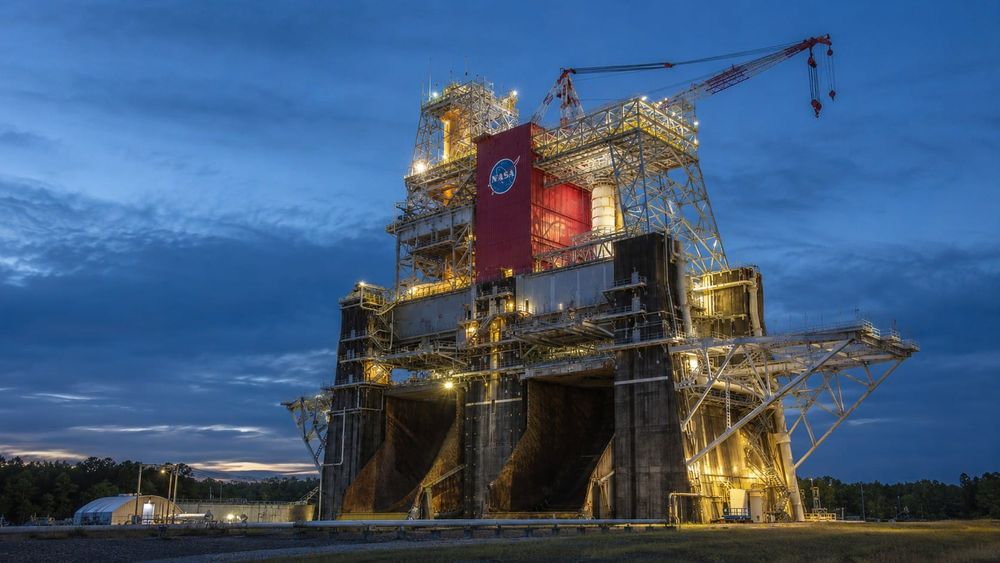
NASA and Blue Origin finalized plans to conduct hot-fire testing of New Glenn's second stage on the B-2 test stand at NASA's Stennis Space Center in Mississippi. The tests will validate the stage's BE-3U hydrogen-oxygen engine in a flight-representative configuration, a critical milestone on the path to New Glenn's first orbital launch. Stennis's B-2 stand, which previously tested Saturn V stages and Space Shuttle main engines, provides the thrust measurement and propellant handling infrastructure needed for large upper-stage firings.
THE DOUGH
New Glenn's entry into the launch market directly affects the competitive landscape for SpaceX, ULA, and Arianespace. Blue Origin holds NSSL Phase 3 contracts and is building the Blue Moon lunar lander for Artemis V, making second-stage qualification a gating item for billions in government revenue.
We are not financial analysts or investment advisors. Nothing in this newsletter constitutes investment advice. All economic analysis is speculative and for informational purposes only. Do your own research.
THE POSSIBILITIES
A successful hot-fire campaign would clear the final major ground-test milestone before New Glenn's first orbital attempt, potentially bringing a second reusable heavy-lift rocket to market in 2027.
THE HURDLES
Blue Origin's BE-4 engine development took years longer than planned, and upper-stage engines often reveal unexpected issues during full-duration firings. The company has yet to reach orbit with any vehicle.
WHAT TO WATCH
- Hot-fire test dates and duration — full mission-duration burns are the key validation
- New Glenn's first orbital flight target date and payload manifest
- Blue Moon lander development timeline, which depends on New Glenn availability