
THE STORY
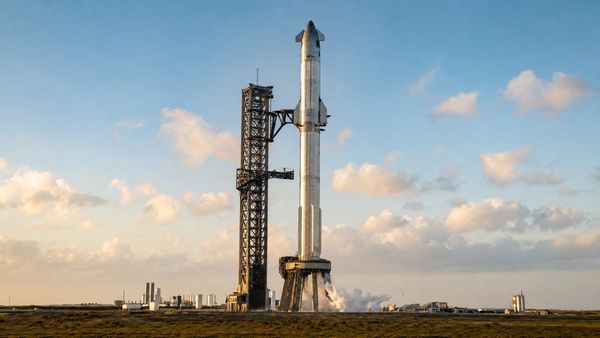
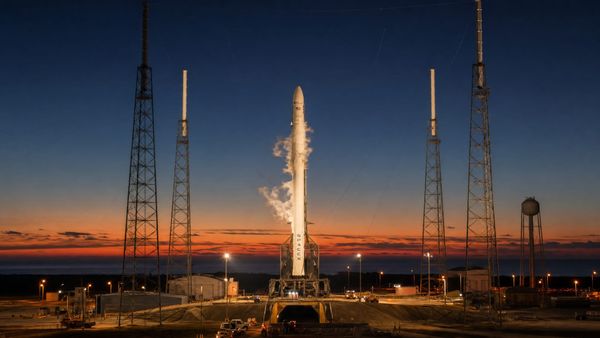
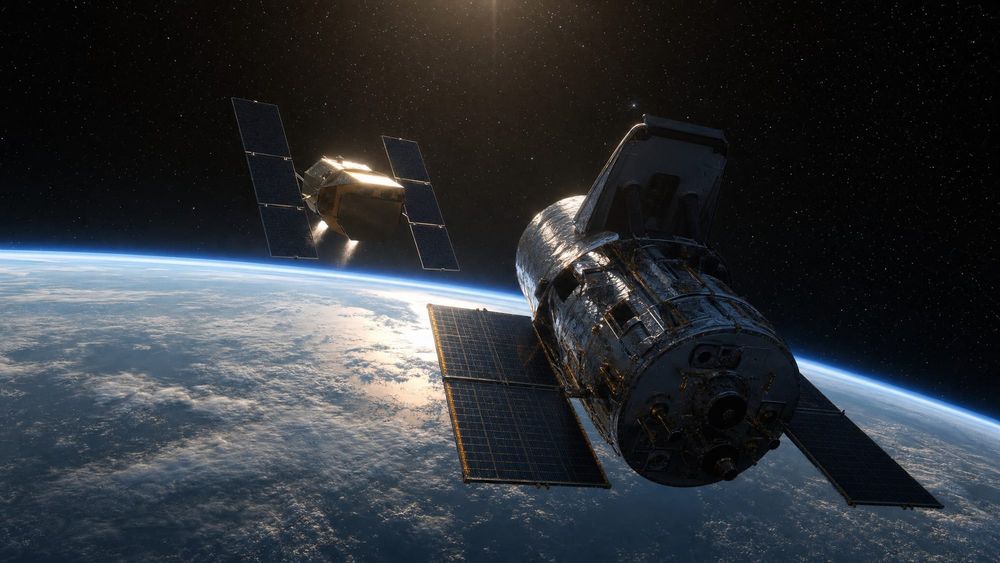
NASA's Swift observatory — a 22-year-old gamma-ray and X-ray space telescope that has been one of the most productive astrophysics missions in history — is being dragged out of orbit by Earth's atmosphere, and a startup called Katalyst Space Technologies has built a spacecraft in record time to push it back up. The Swift Boost mission, launching June 30 aboard a Northrop Grumman Pegasus XL rocket, will attempt something that has never been done before: a commercial spacecraft rendezvousing with and physically boosting an active NASA science observatory to a higher, more sustainable orbit. The entire mission was conceived, funded, developed, and readied for launch in approximately nine months — a pace that would have been unthinkable under traditional aerospace development timelines. "No one thought it was going to be possible," Katalyst officials have said. The $30 million mission is a fraction of the cost of building and launching a replacement observatory, which would run into the billions.
If successful, Swift Boost would establish a template for extending the lives of aging but still-productive space assets — a market that could include everything from weather satellites to spy satellites to space telescopes. It's the ultimate demonstration of in-orbit servicing, and it's being done by a company most people have never heard of.
THE DOUGH
The in-orbit servicing market is projected to grow rapidly as satellite operators seek alternatives to replacing expensive assets. Katalyst's Swift Boost mission, if successful, validates the commercial model for satellite life extension. Companies like Northrop Grumman (Mission Extension Vehicle), Astroscale, and Orbit Fab are all competing in adjacent segments of this market. A proven reboost capability at $30 million could attract government and commercial satellite operators alike.
We are not financial analysts or investment advisors. Nothing in this newsletter constitutes investment advice. All economic analysis is speculative and for informational purposes only. Do your own research.
THE POSSIBILITIES
If reboosting aging spacecraft becomes routine and affordable, it fundamentally changes the economics of space missions. Operators could launch cheaper satellites with shorter design lives, knowing they can extend them later — shifting capital expenditure from upfront hardware costs to ongoing servicing contracts.
THE HURDLES
Rendezvousing with and physically pushing an uncooperative spacecraft — one not designed for servicing — is extraordinarily difficult. Swift has no docking port, no grapple fixture, and may be tumbling or in an unpredictable attitude. Any miscalculation during approach could damage or destroy the telescope.
WHAT TO WATCH
- June 30 Pegasus XL launch and successful deployment of the Katalyst servicer
- Rendezvous and proximity operations with Swift
- Confirmation of successful orbit raise and Swift science operations resumption
- Follow-on contracts for similar reboost missions on other aging satellites